Dunedin Interior Intervention
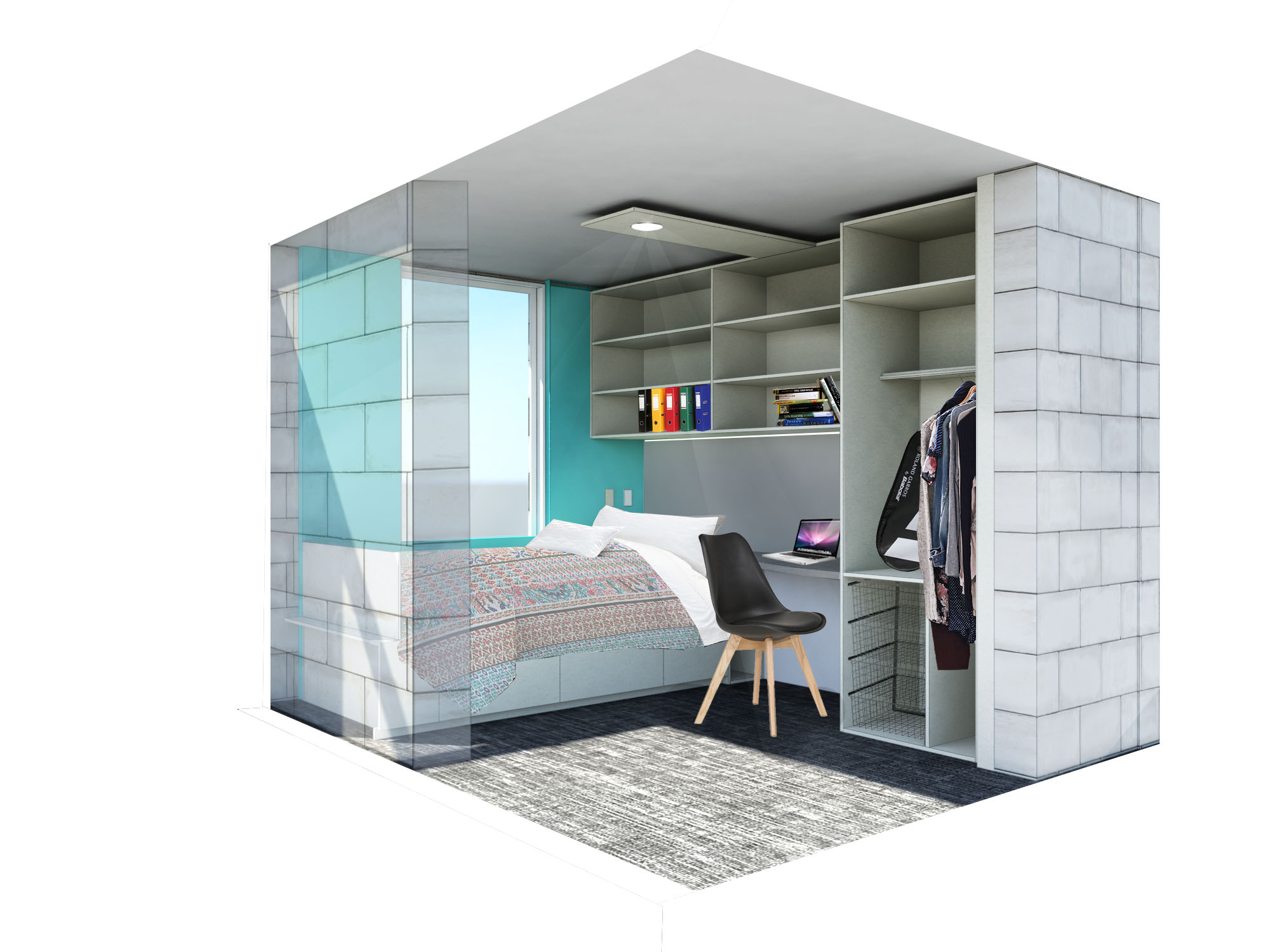
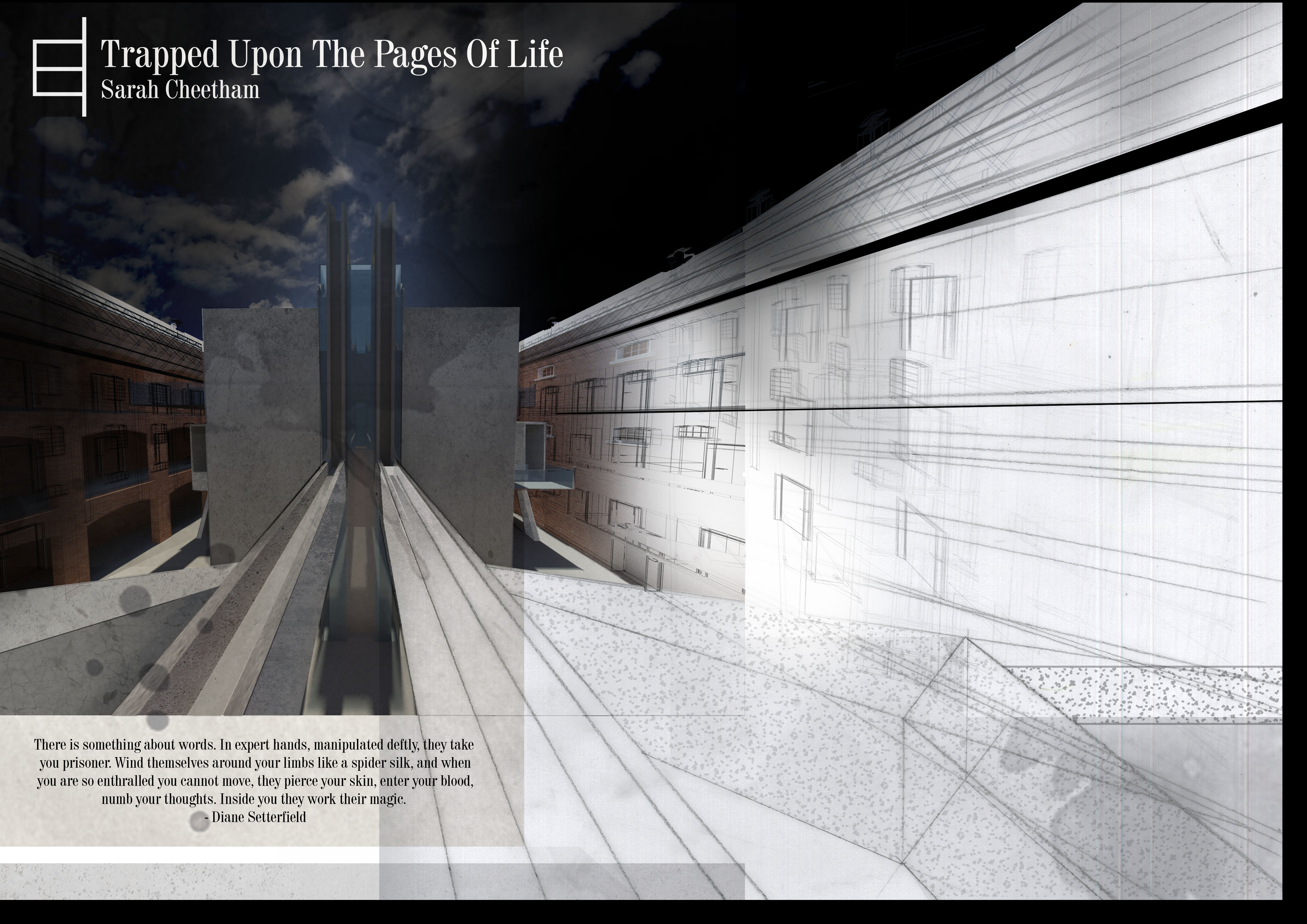
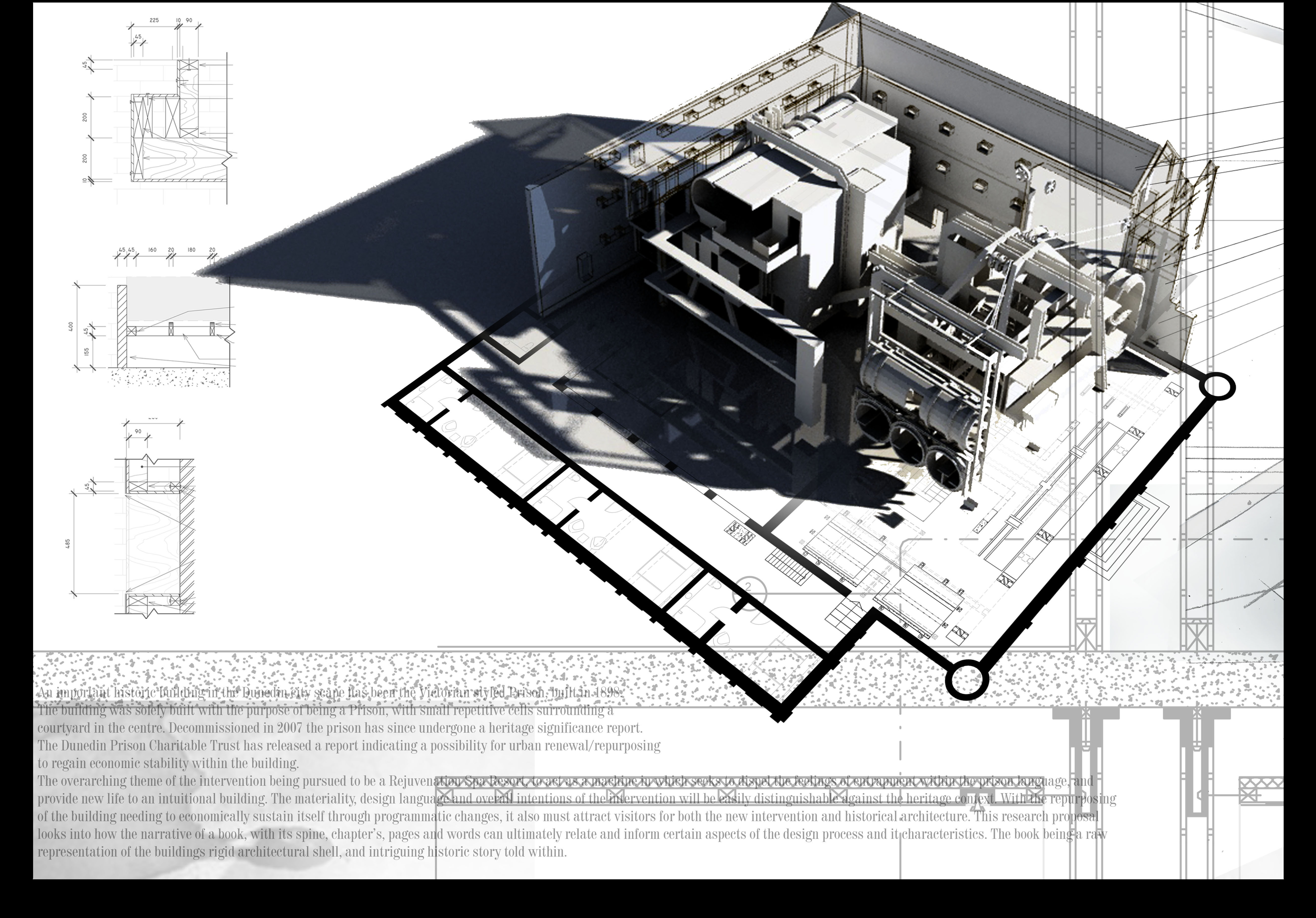
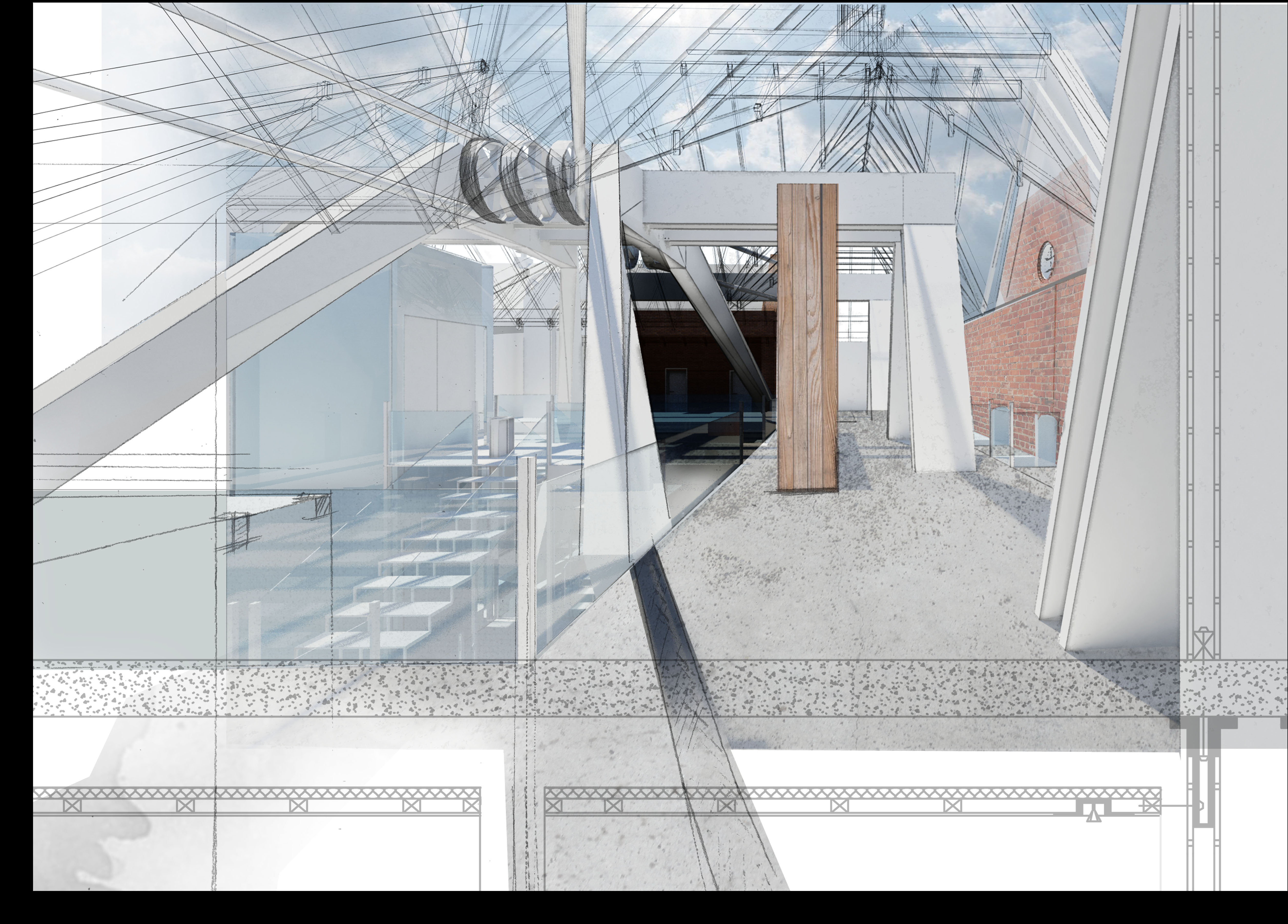
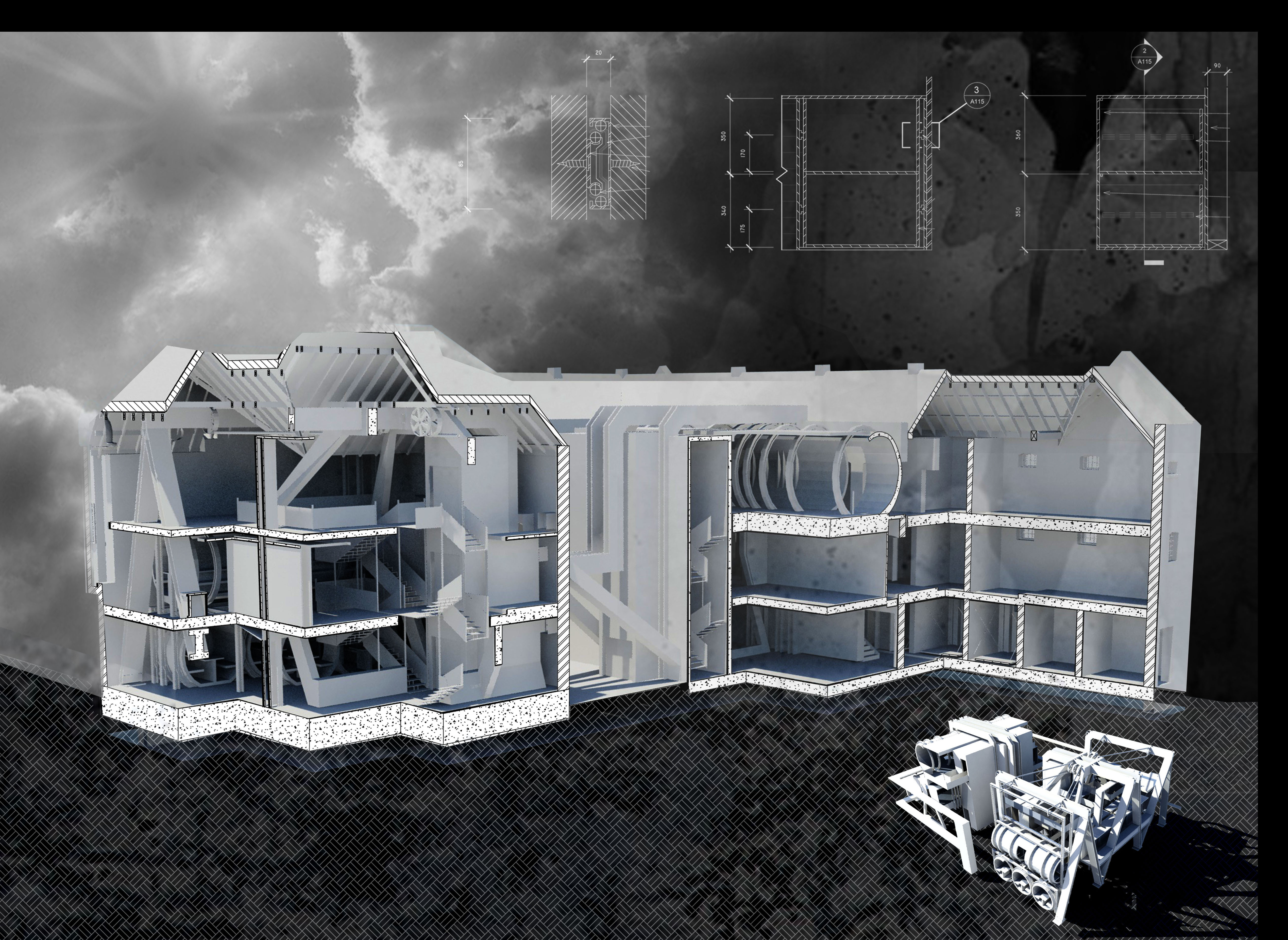
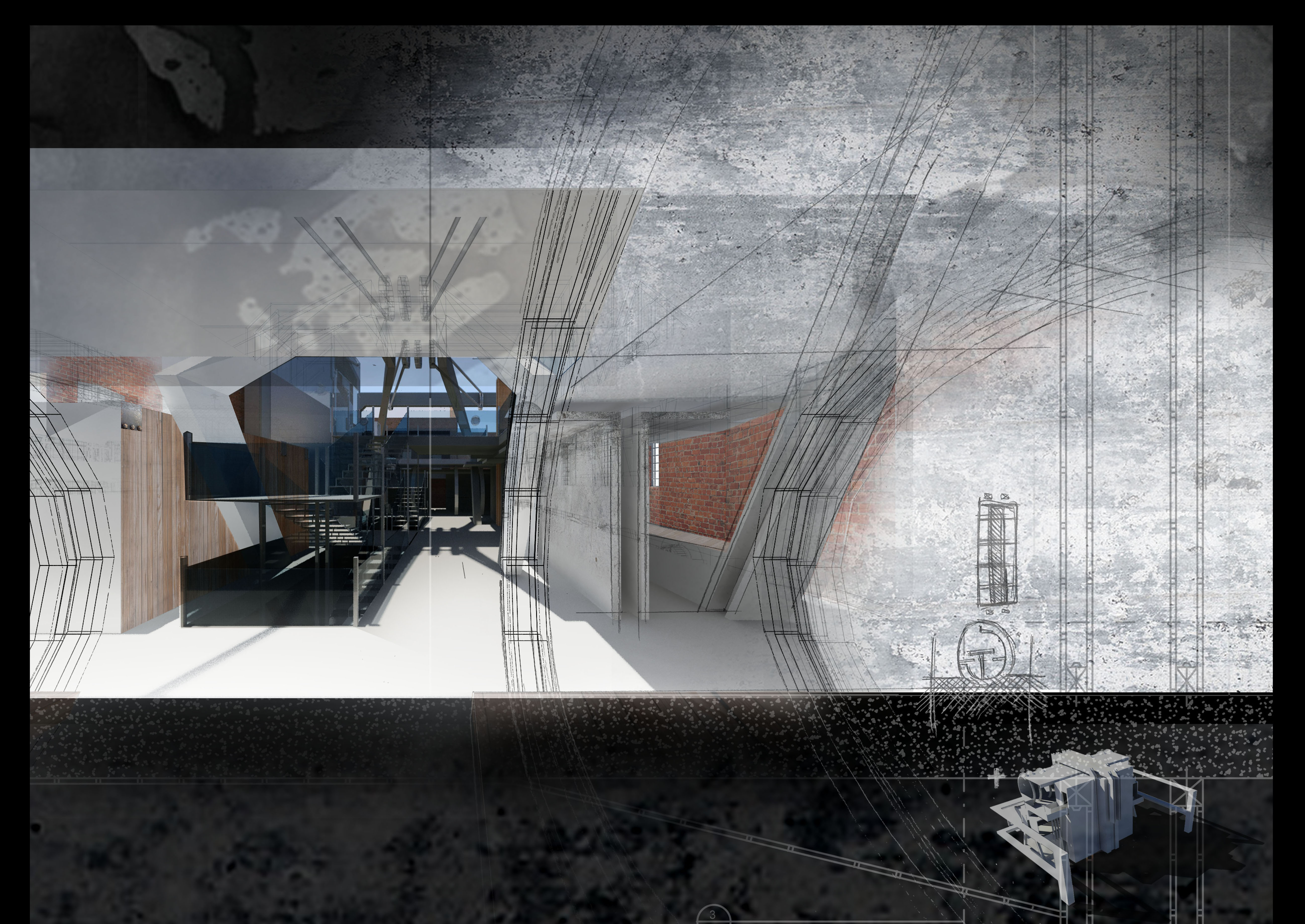
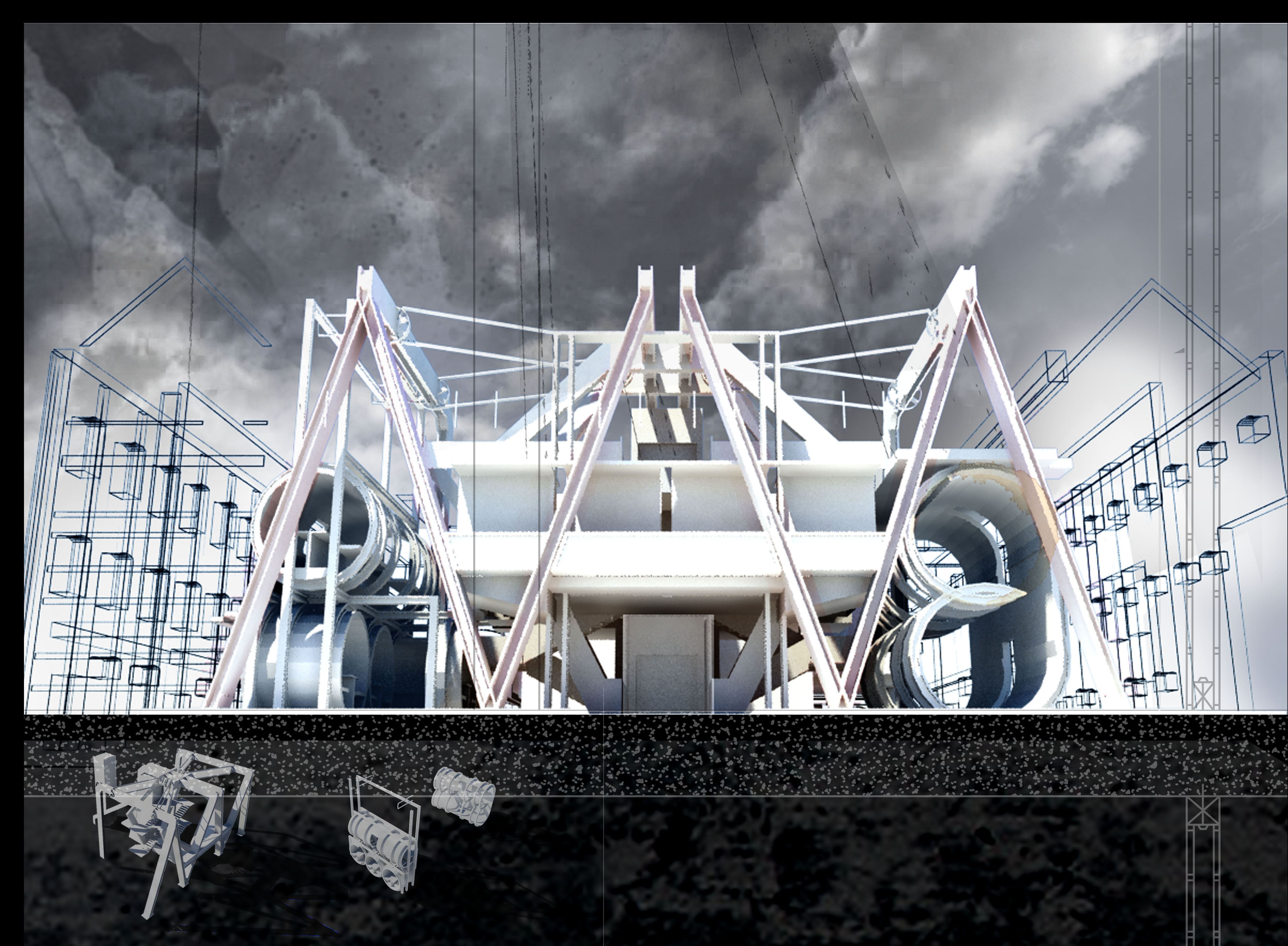
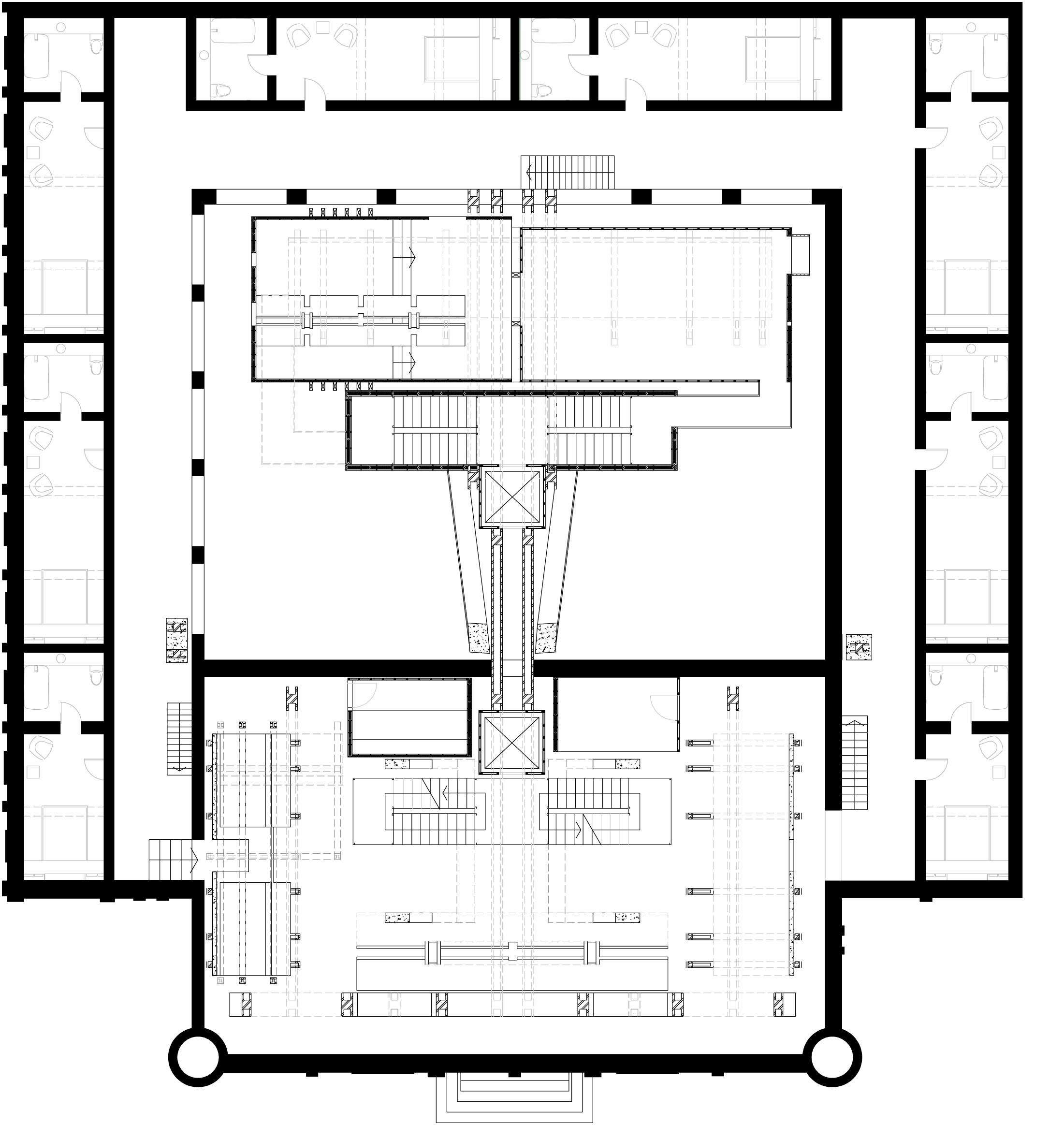
The Dunedin Prison intervention was based on creating a new purpose and life for the historic building. With the decision to incorporate an accommodation and hospitality aspect to the building, utilising the rigid repetition of the prison cells as Hotel rooms provided an enticing programme. The central core of the Administration block works as a machine to circulate people throughout the building, with the courtyard being used to provide entertainment and views of the building from a height not previously accessible. An additional aspect was added to the project, where working drawings were to be produced to support an aspect of the design.
As Built Drawings
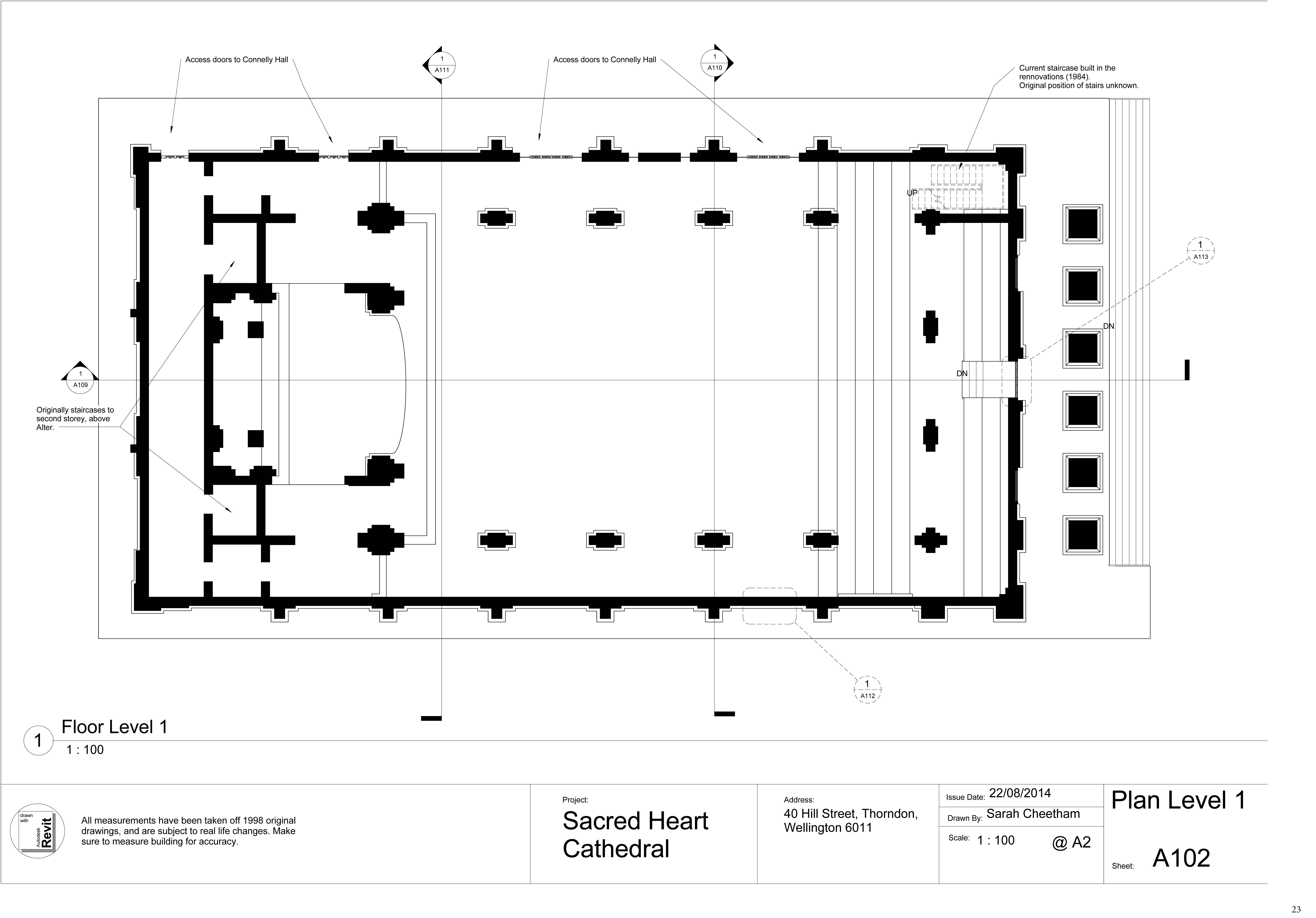
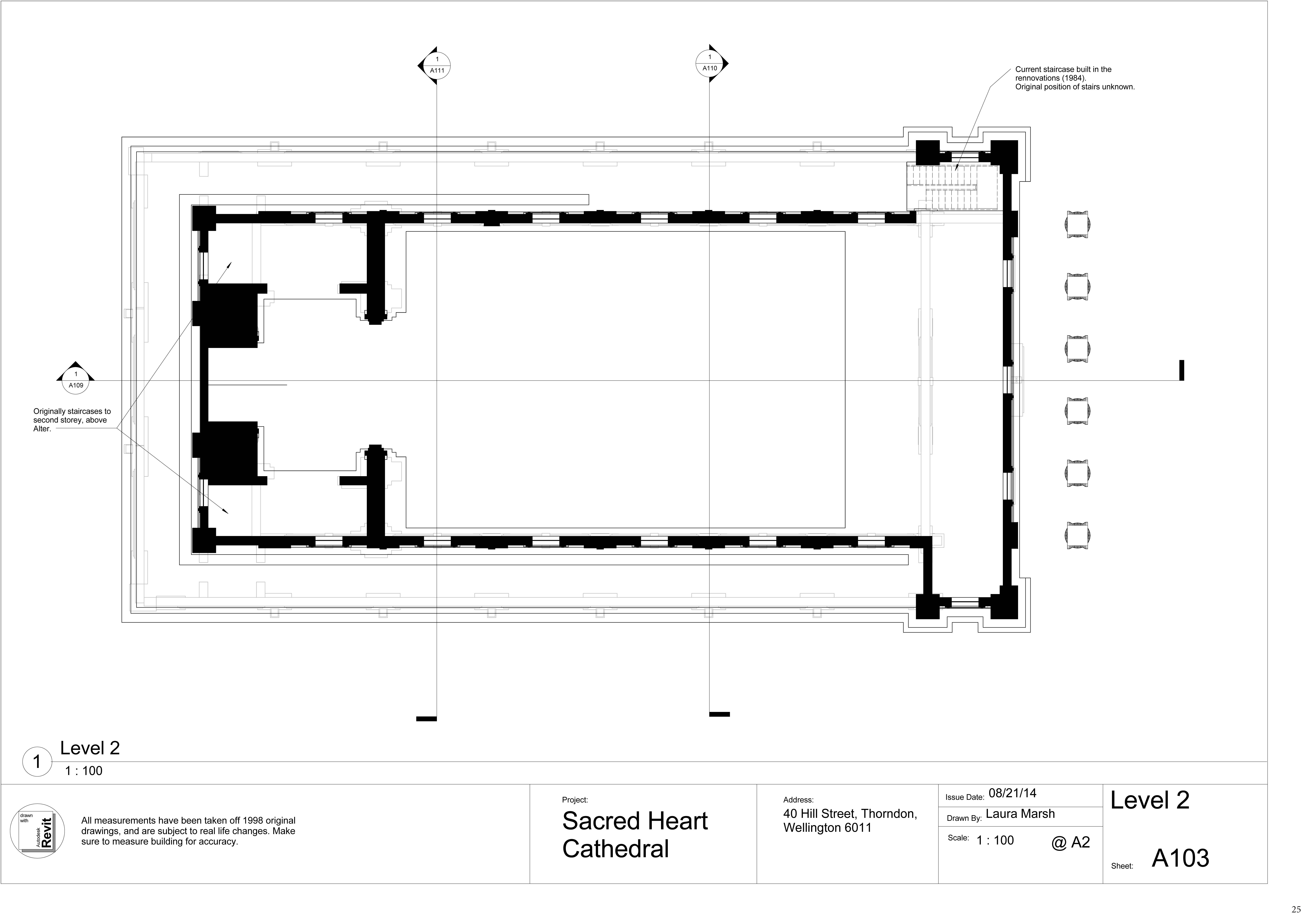
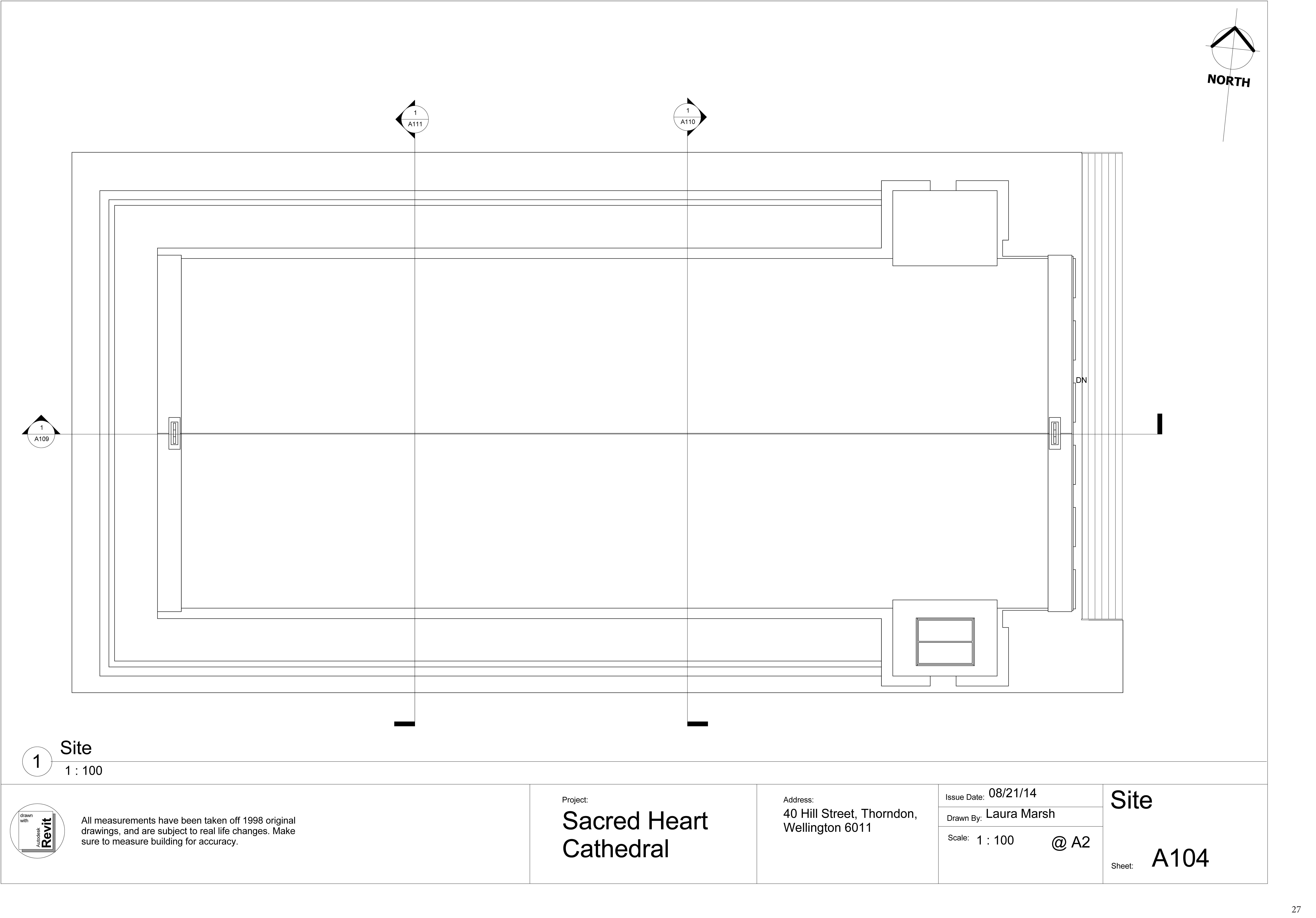
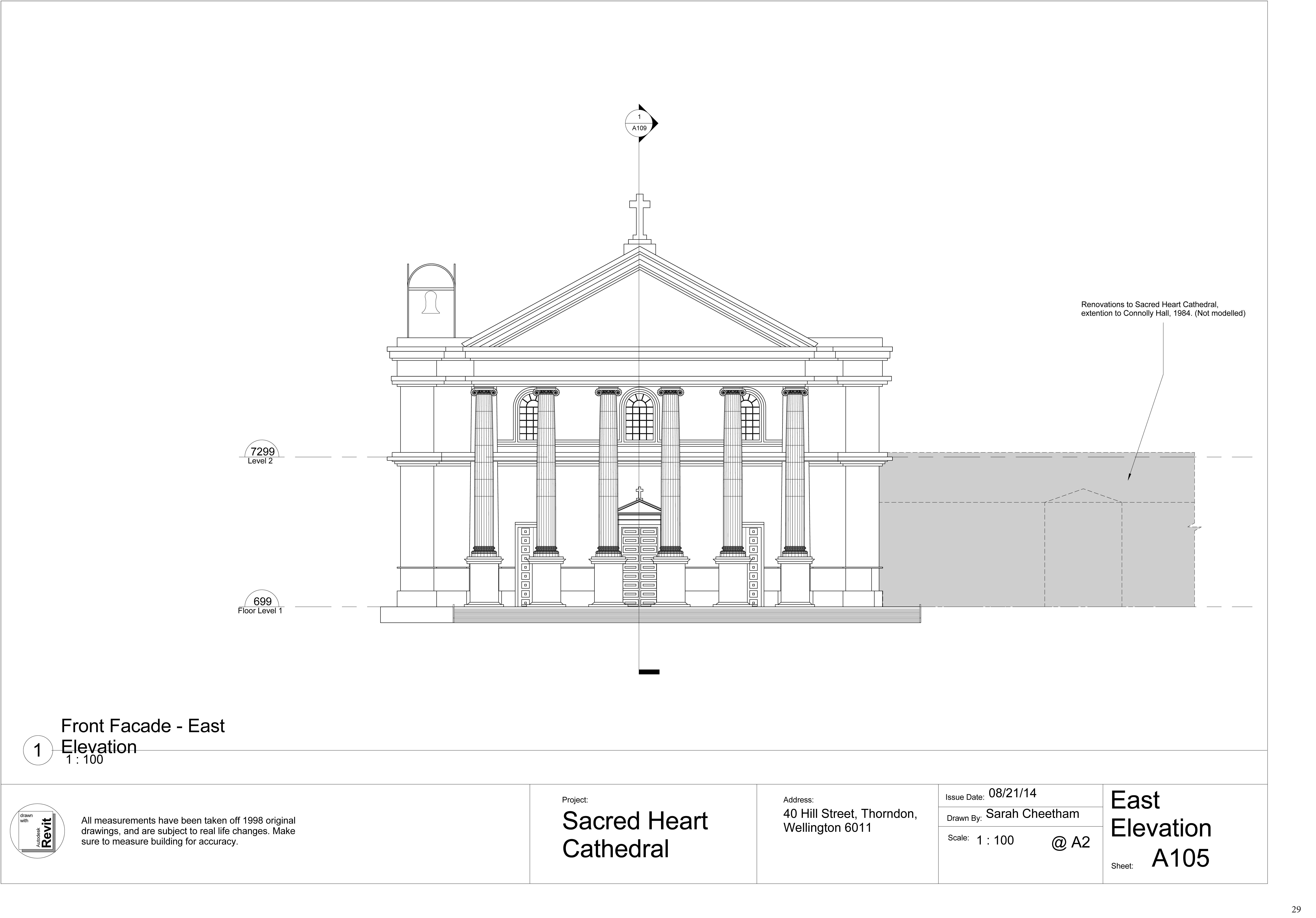
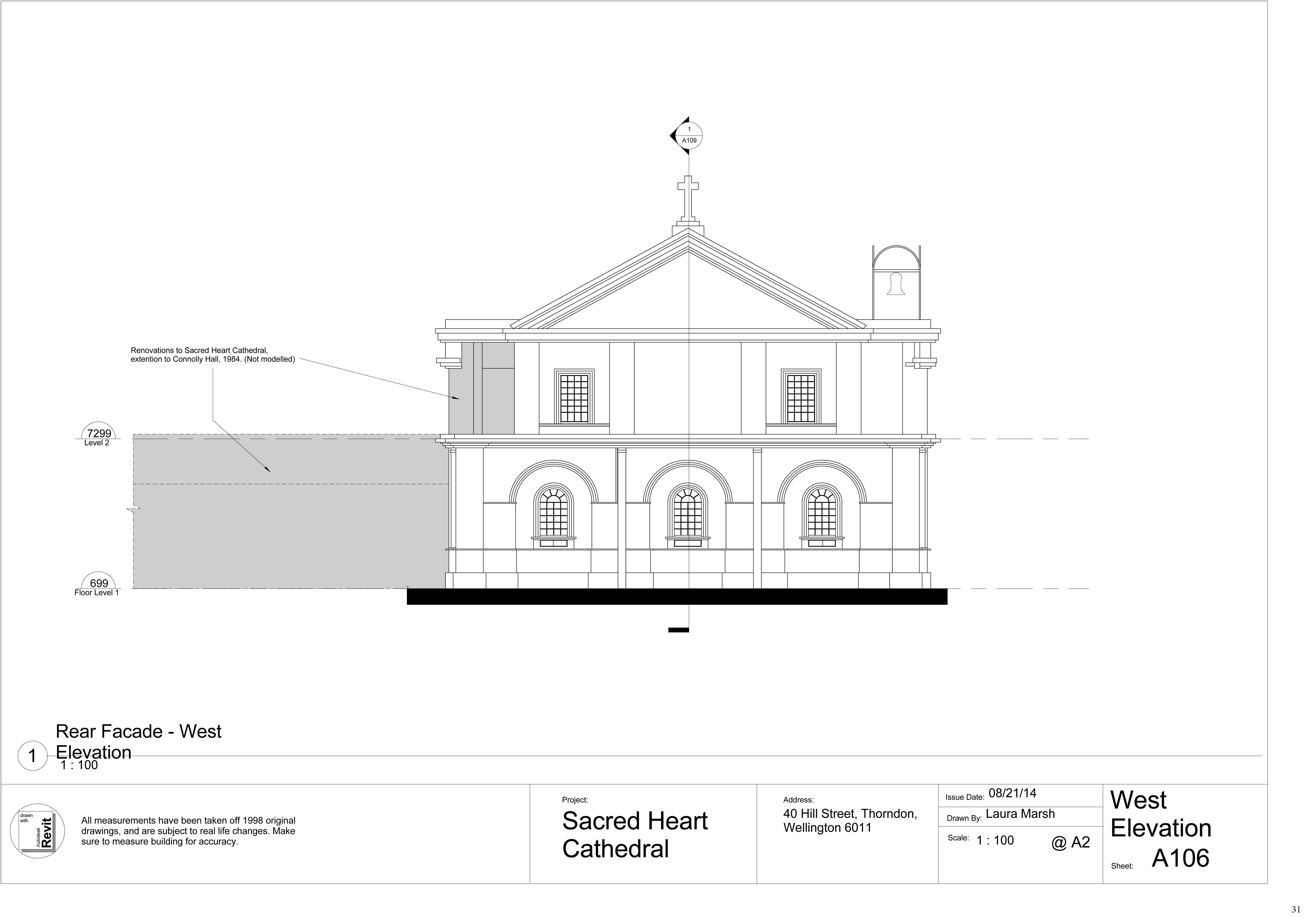
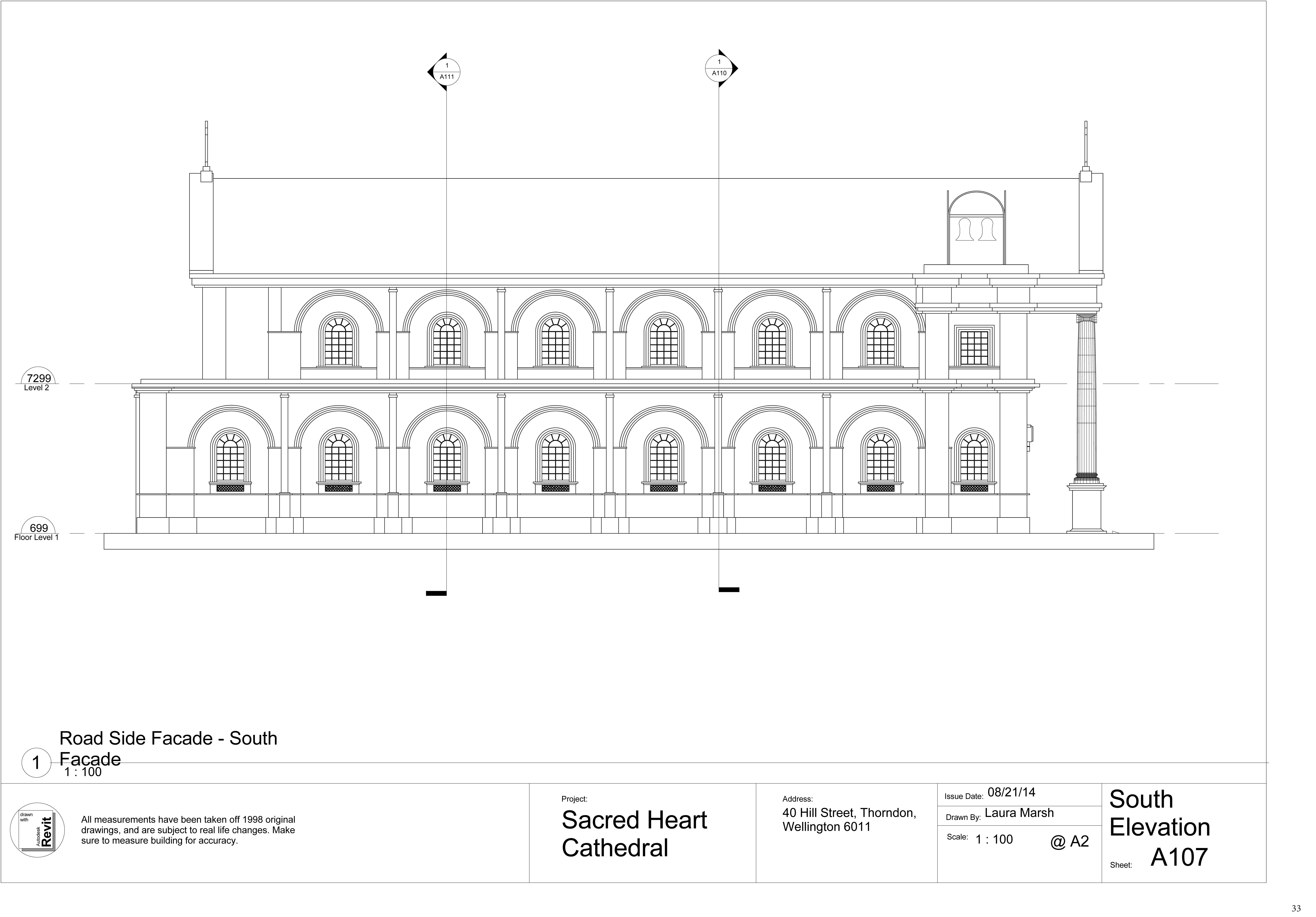
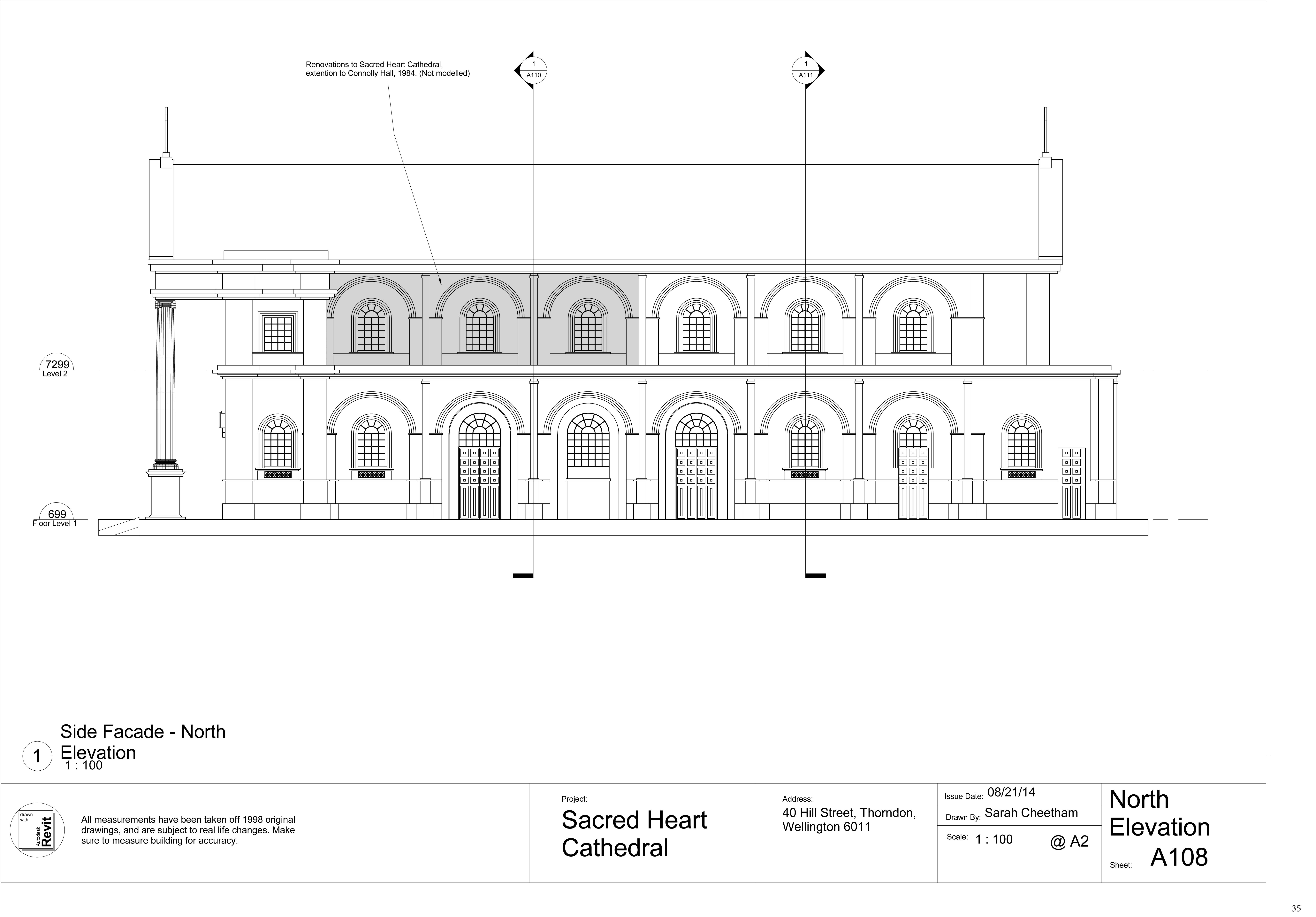
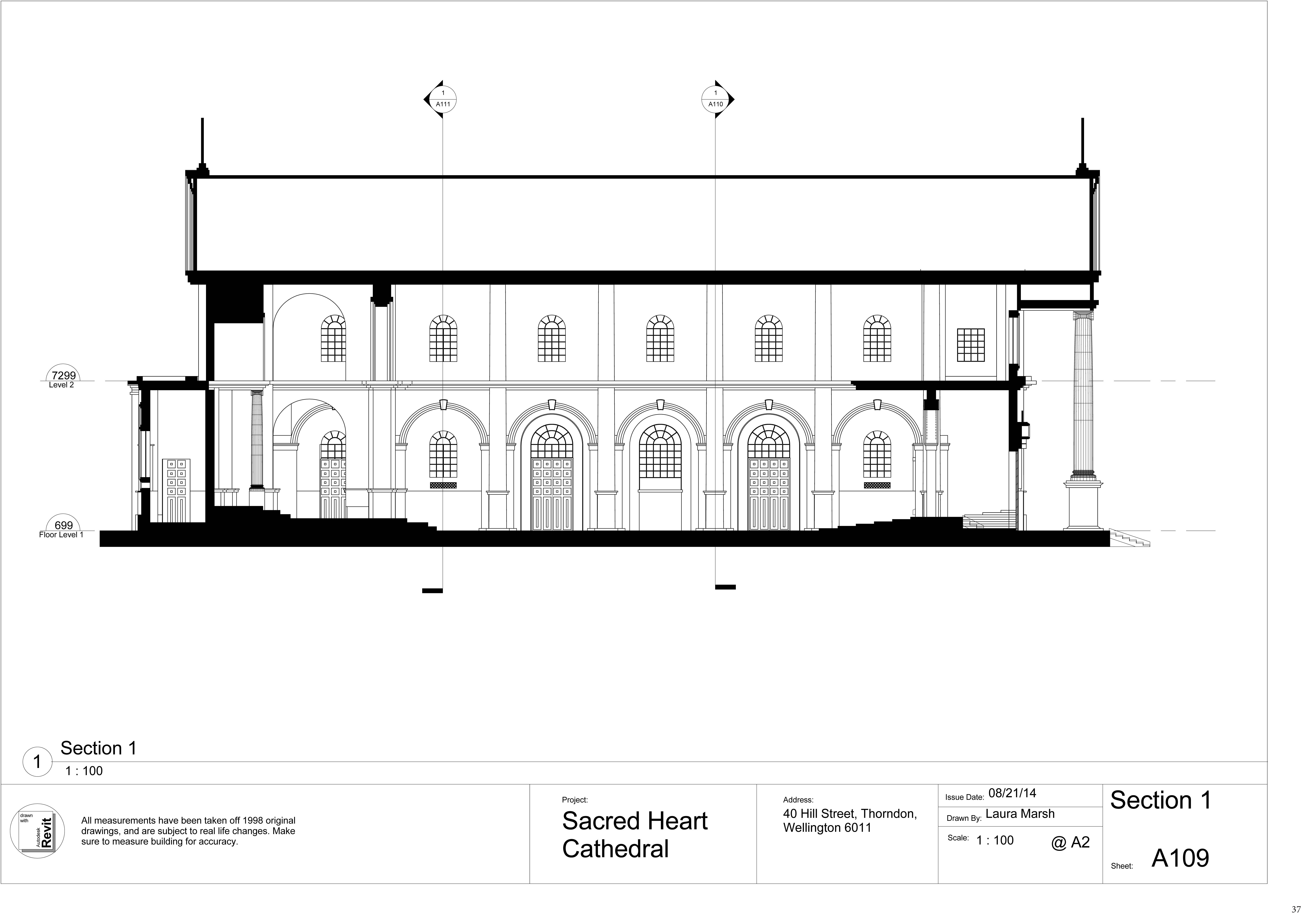
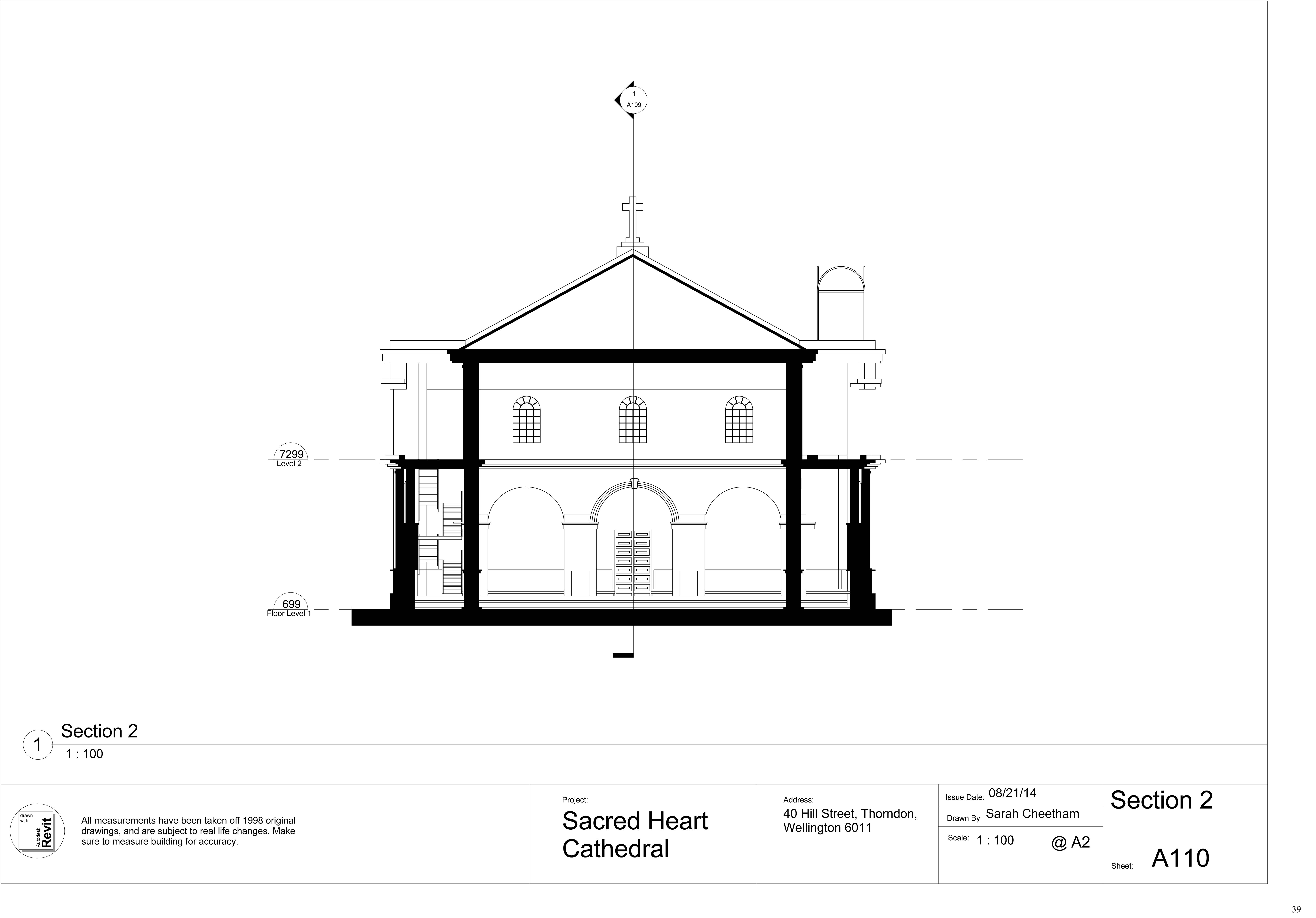
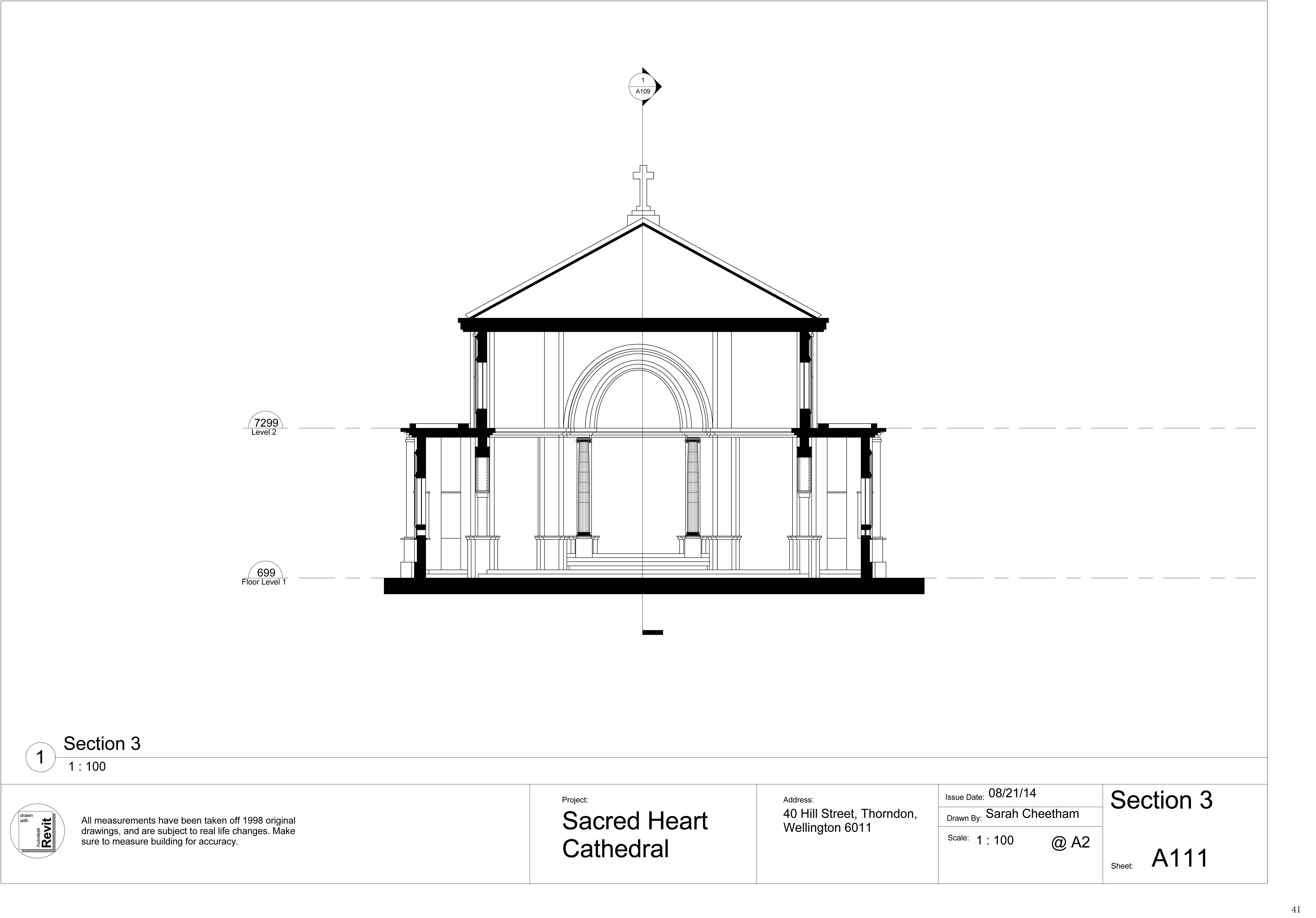
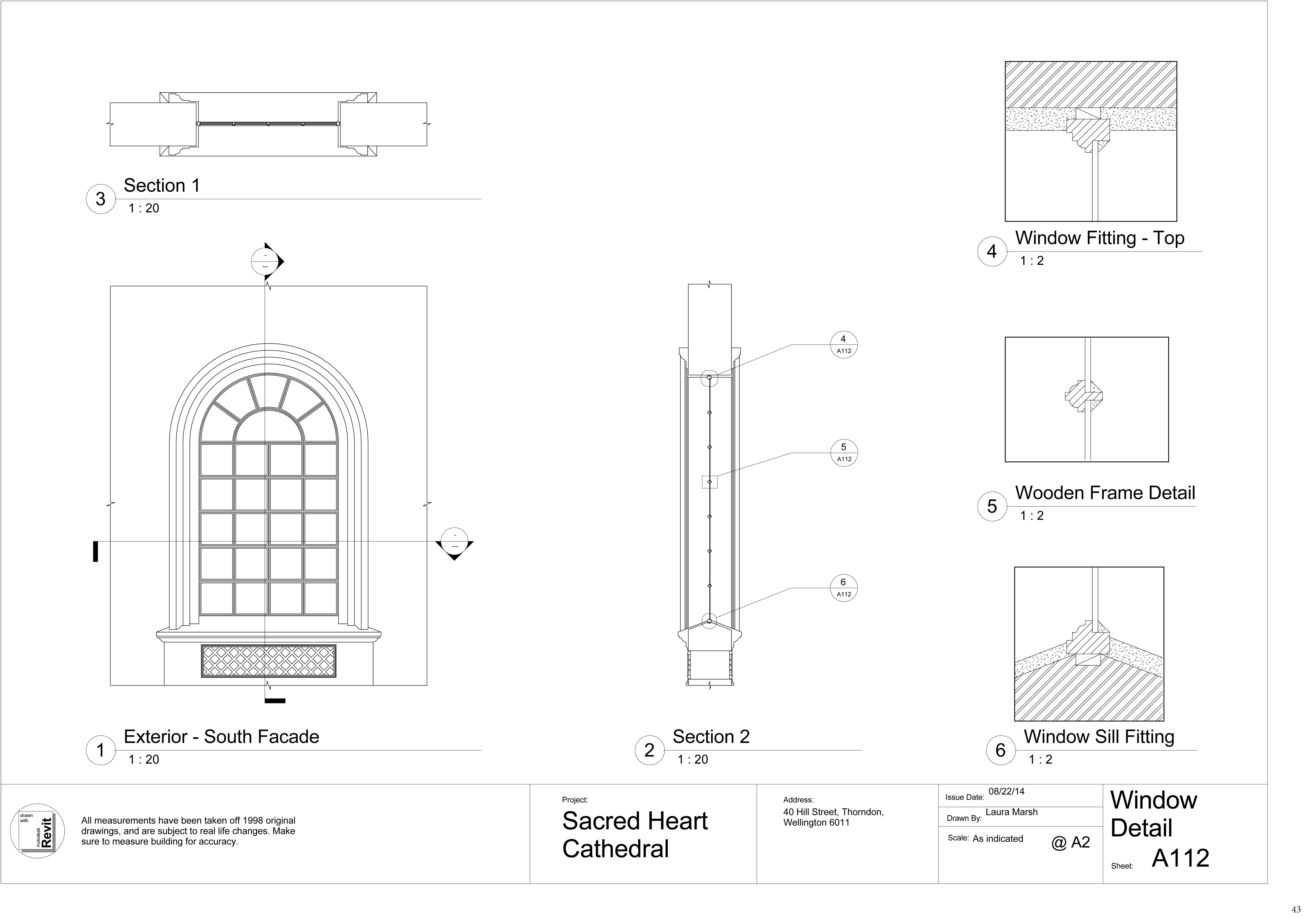
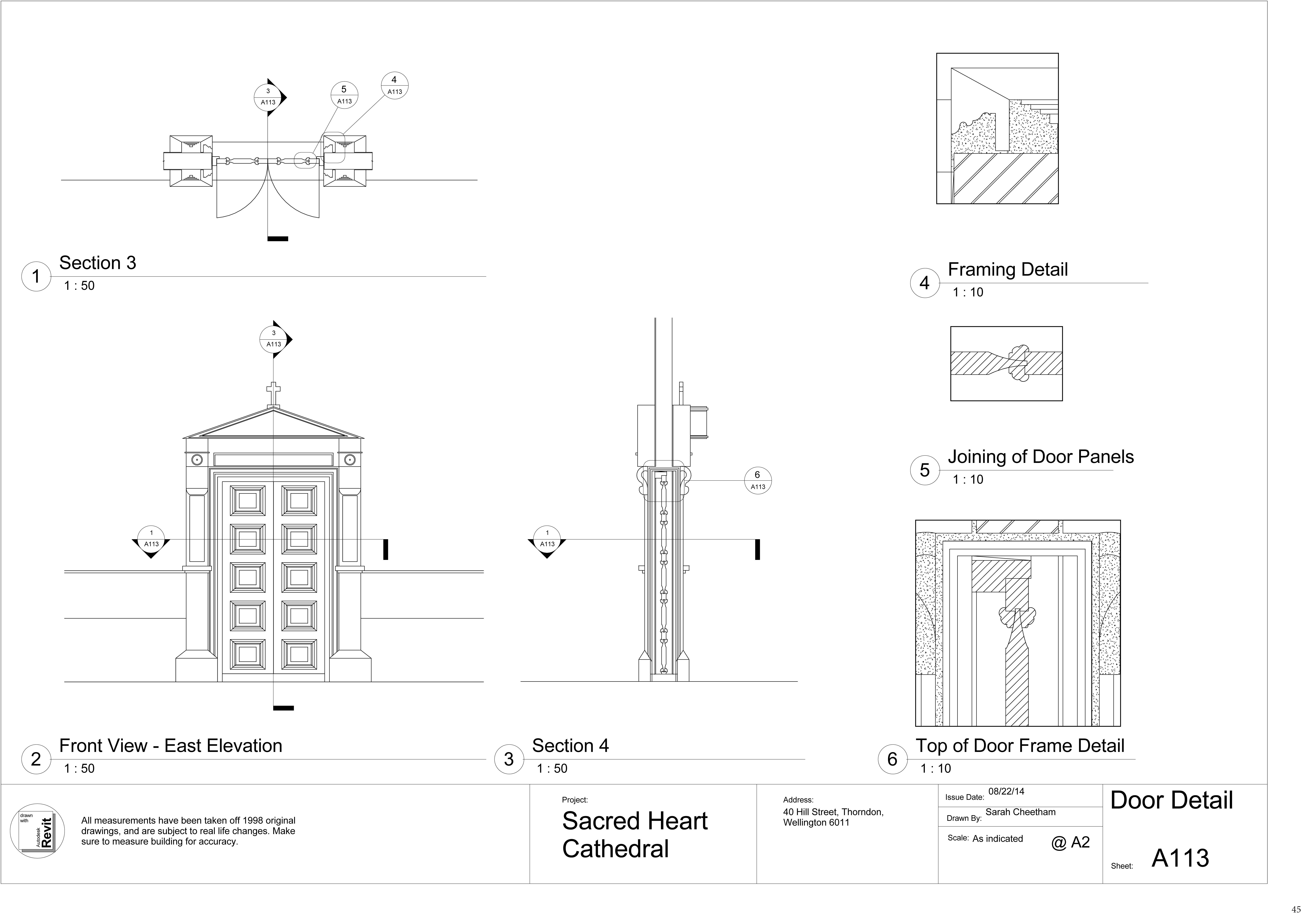
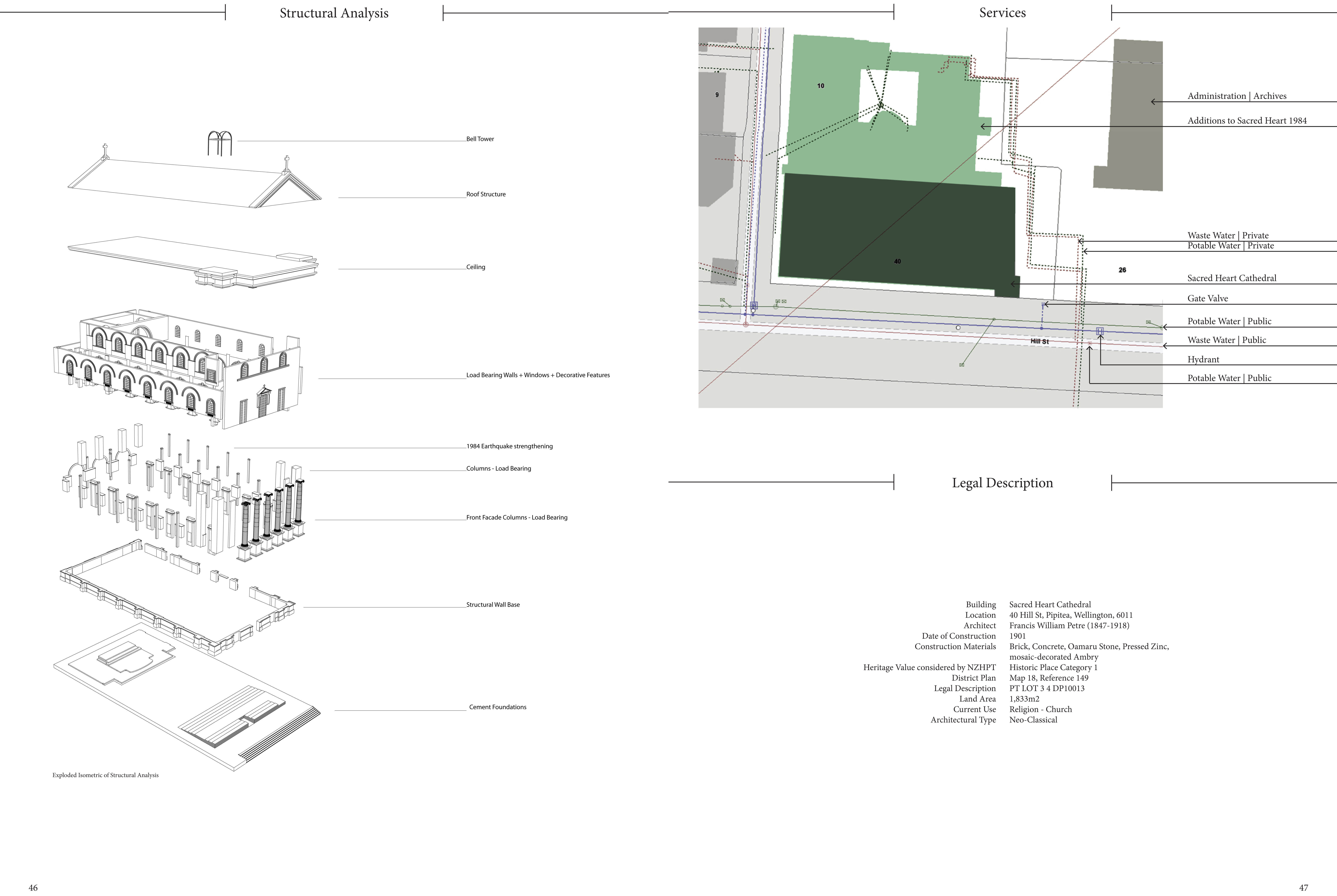
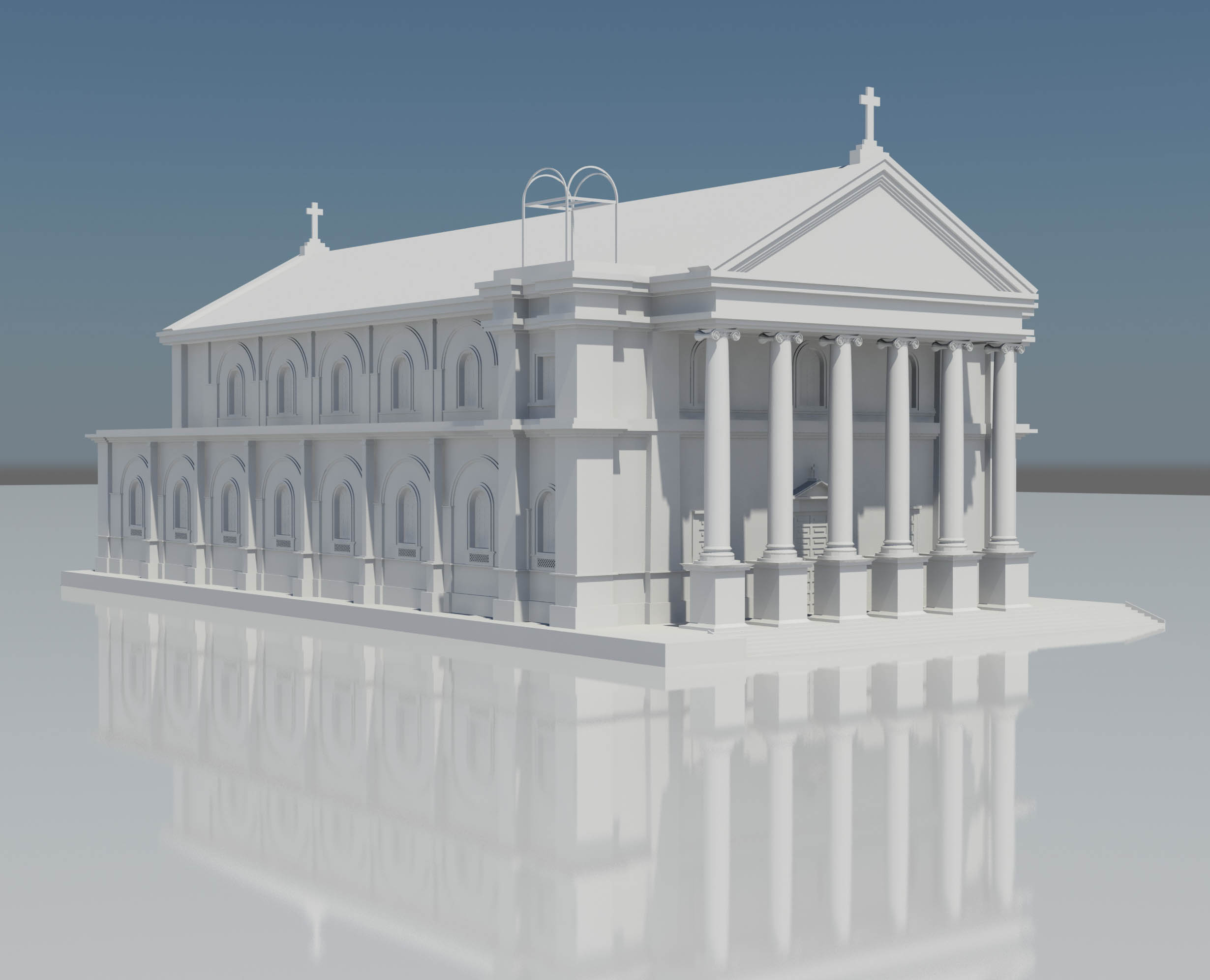
In pairs we were to create as built drawings of a building erected between 1890 and 1910. The Sacred Heart Cathedral was built in 1907 as a Catholic Church, and has since become the only Catholic Cathedral in Wellington. The building has participated in minor developments such as, losing the bells towers, earthquake strengthening, and additions to the side of the building. Although these alterations have changed the nature and aesthetics of the building, the main structure of the building is still in its original form. These drawings have been constructed from old plans, photographs and technical knowledge. The drawings were made entirely through Revit, and provided a 3D model to aid the presentation.
All measurements have been taken off 1998 original drawings, and are subject to real life changes. Make sure to measure building for accuracy.
Commercial Design
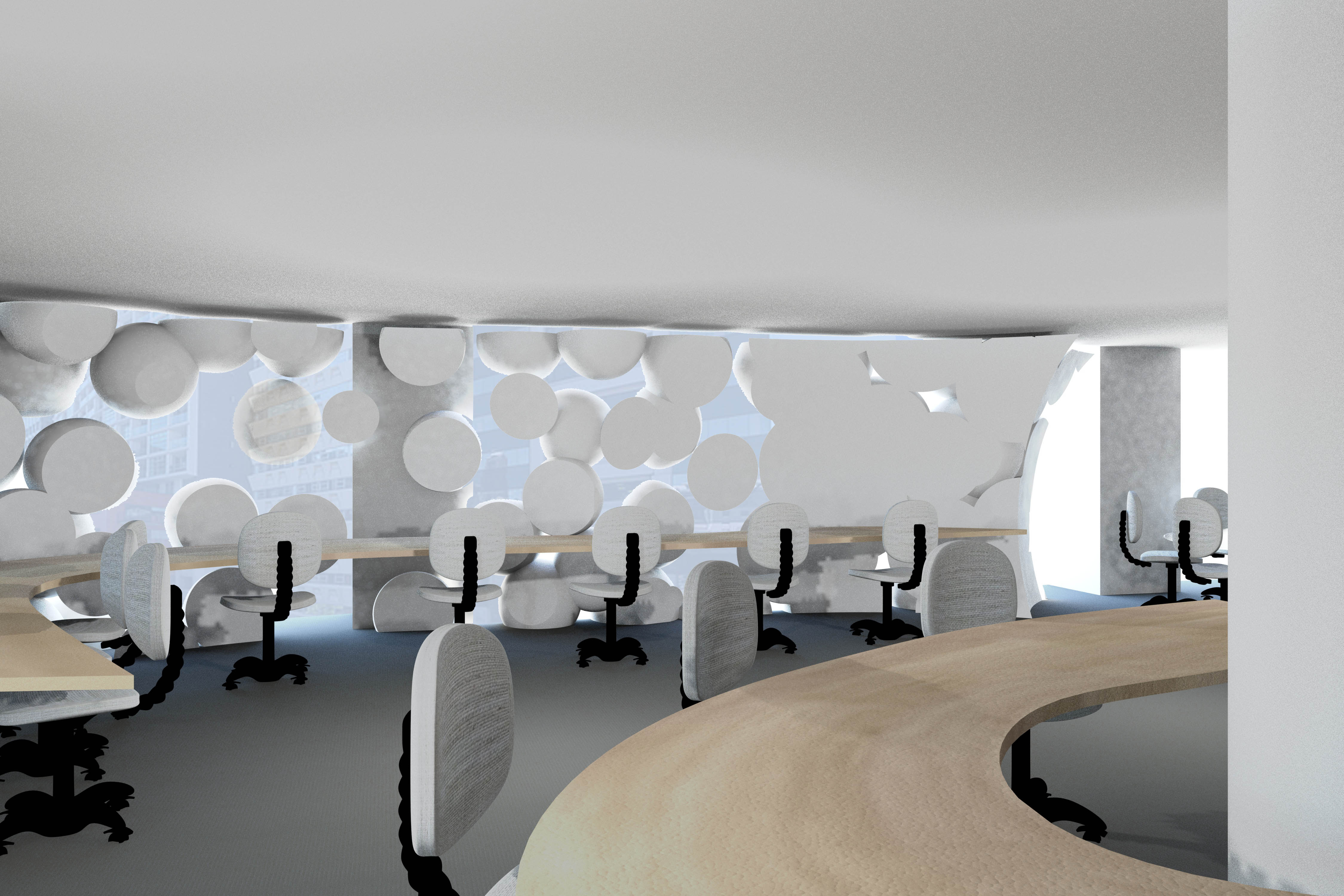
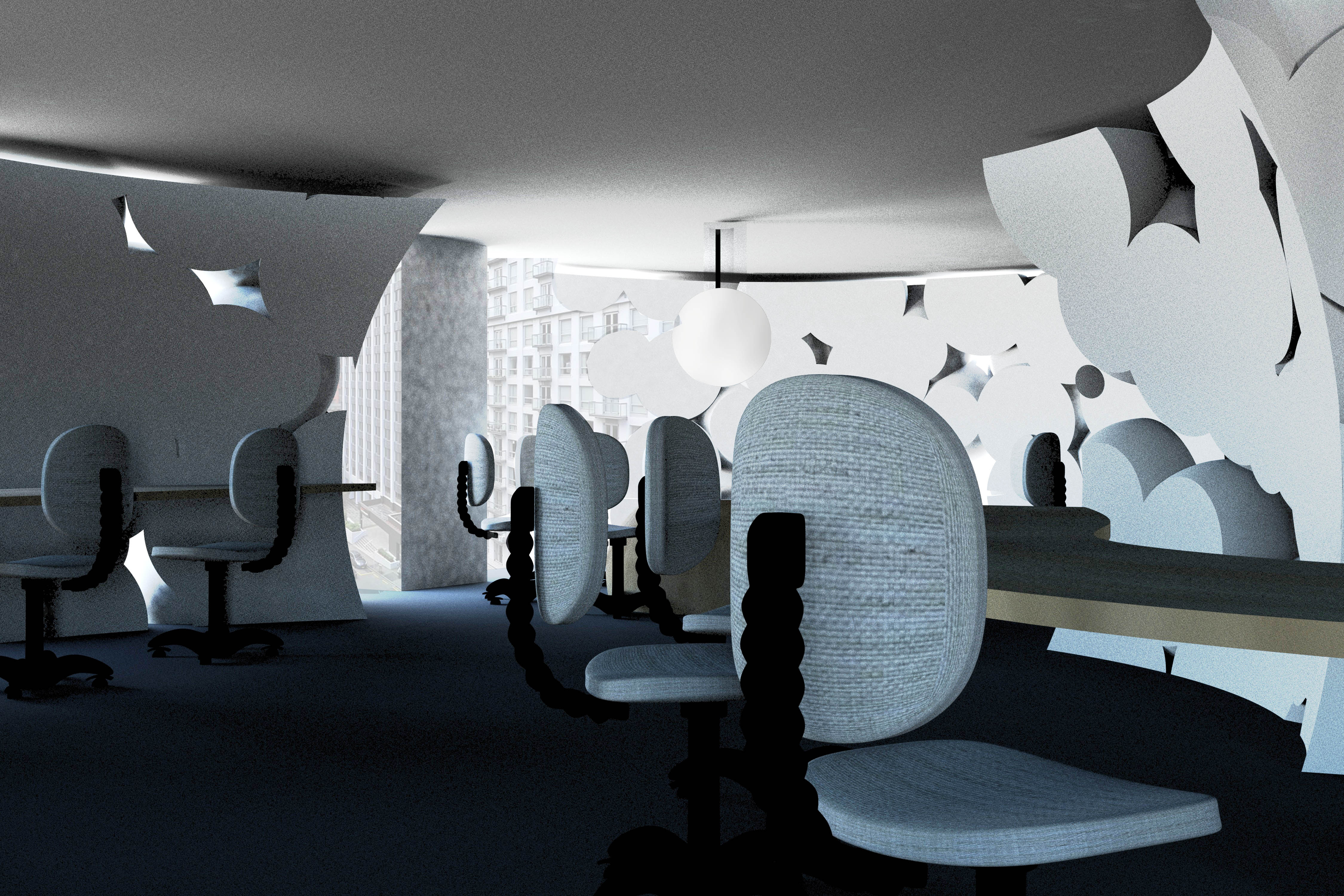
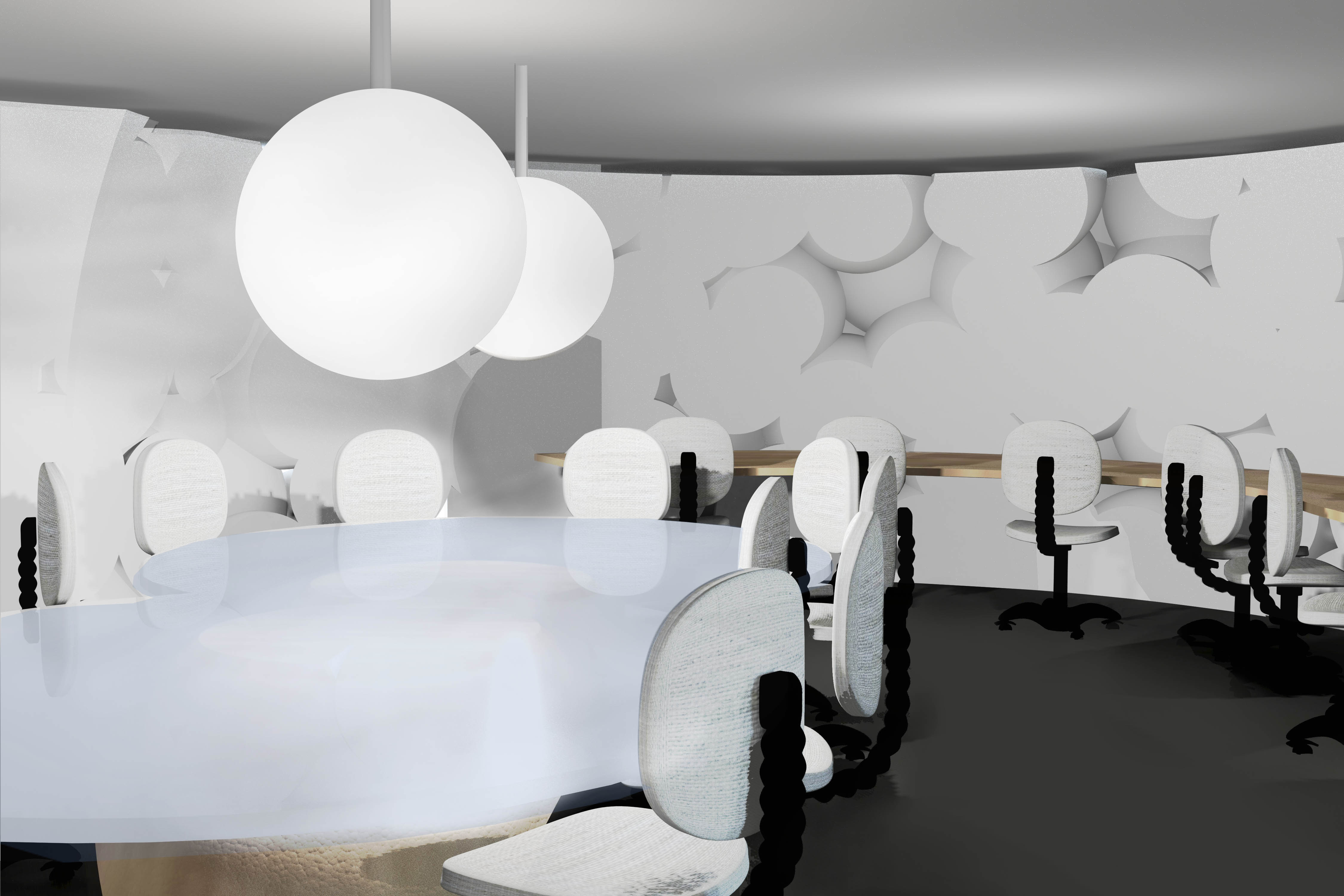
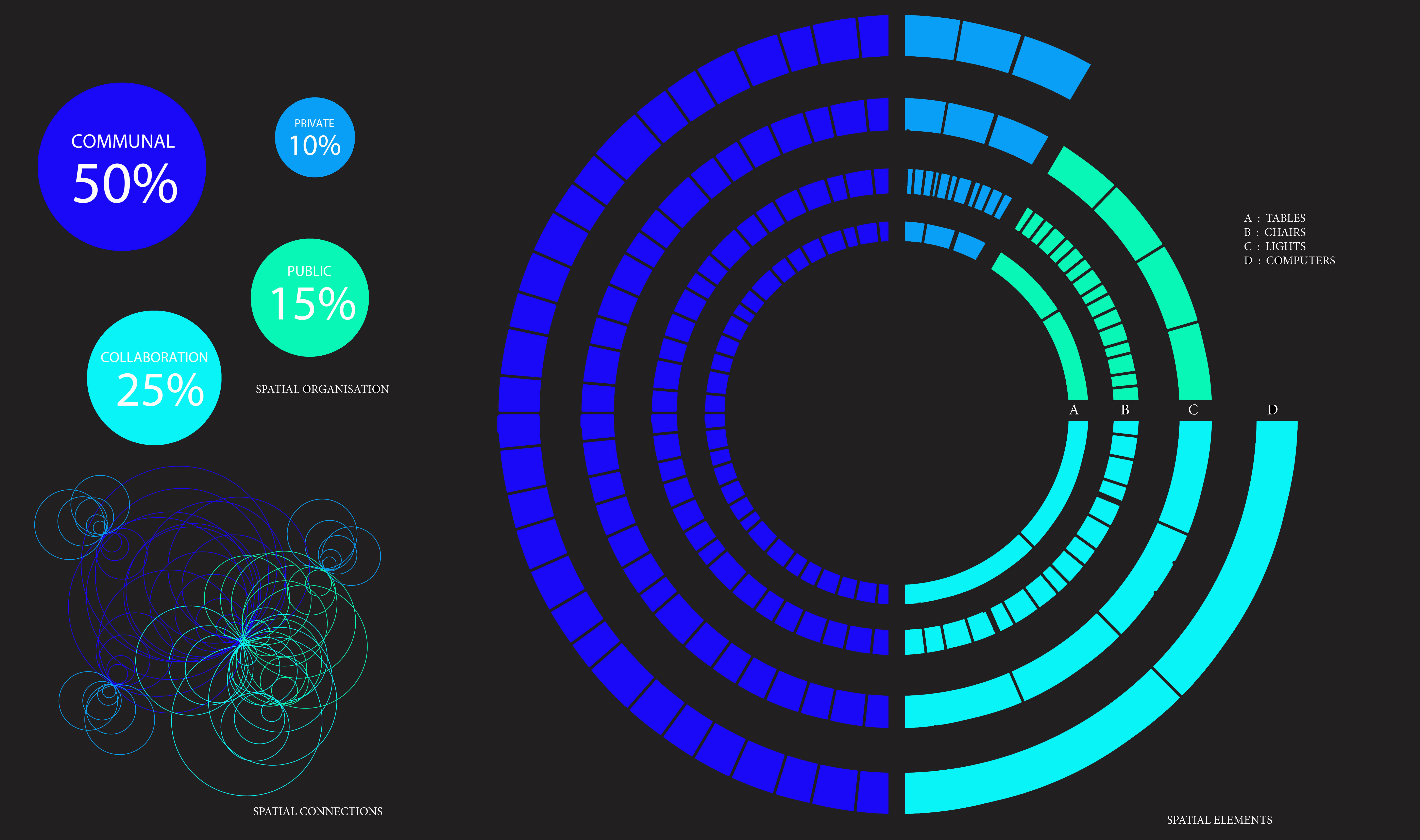
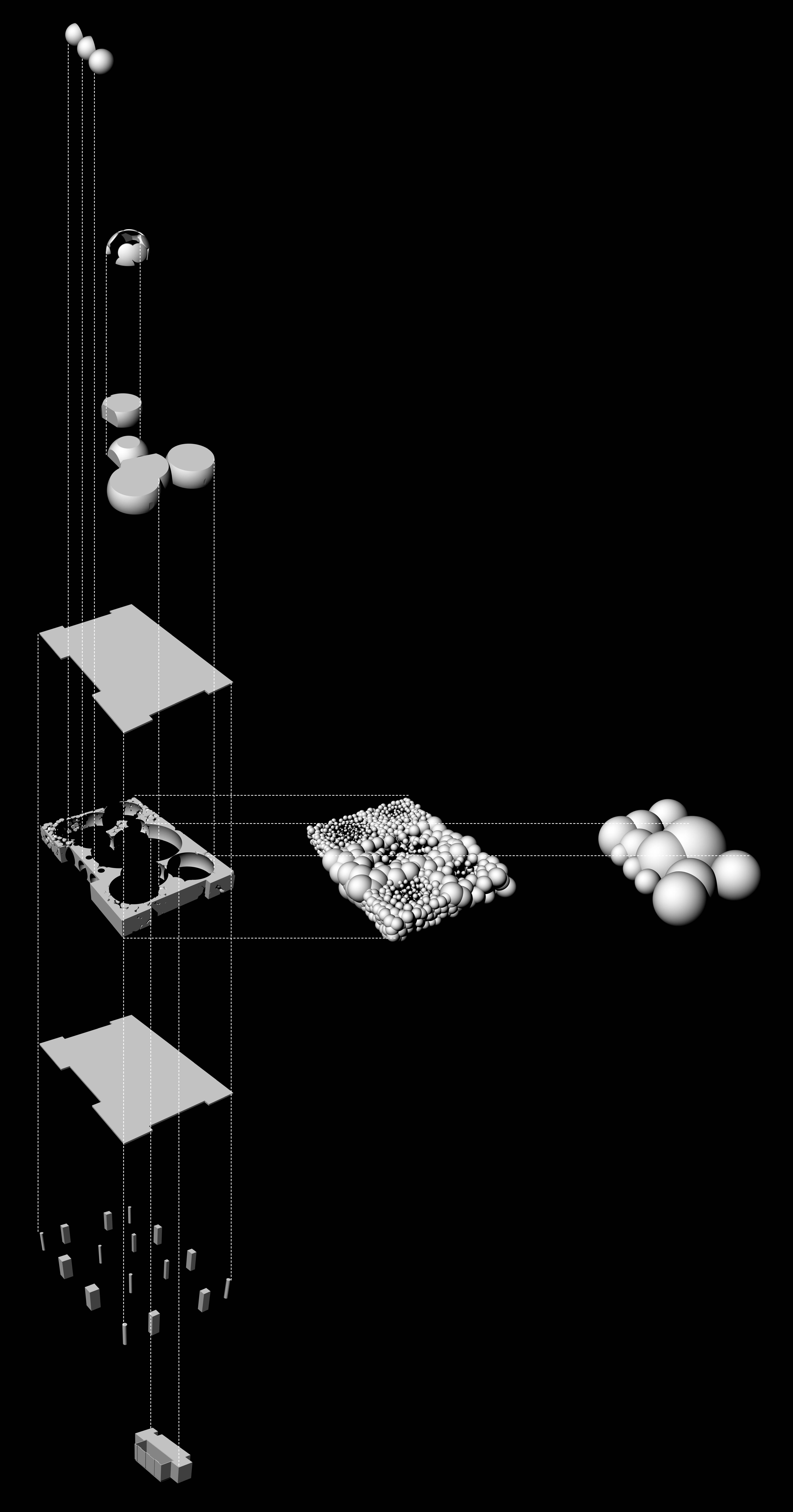
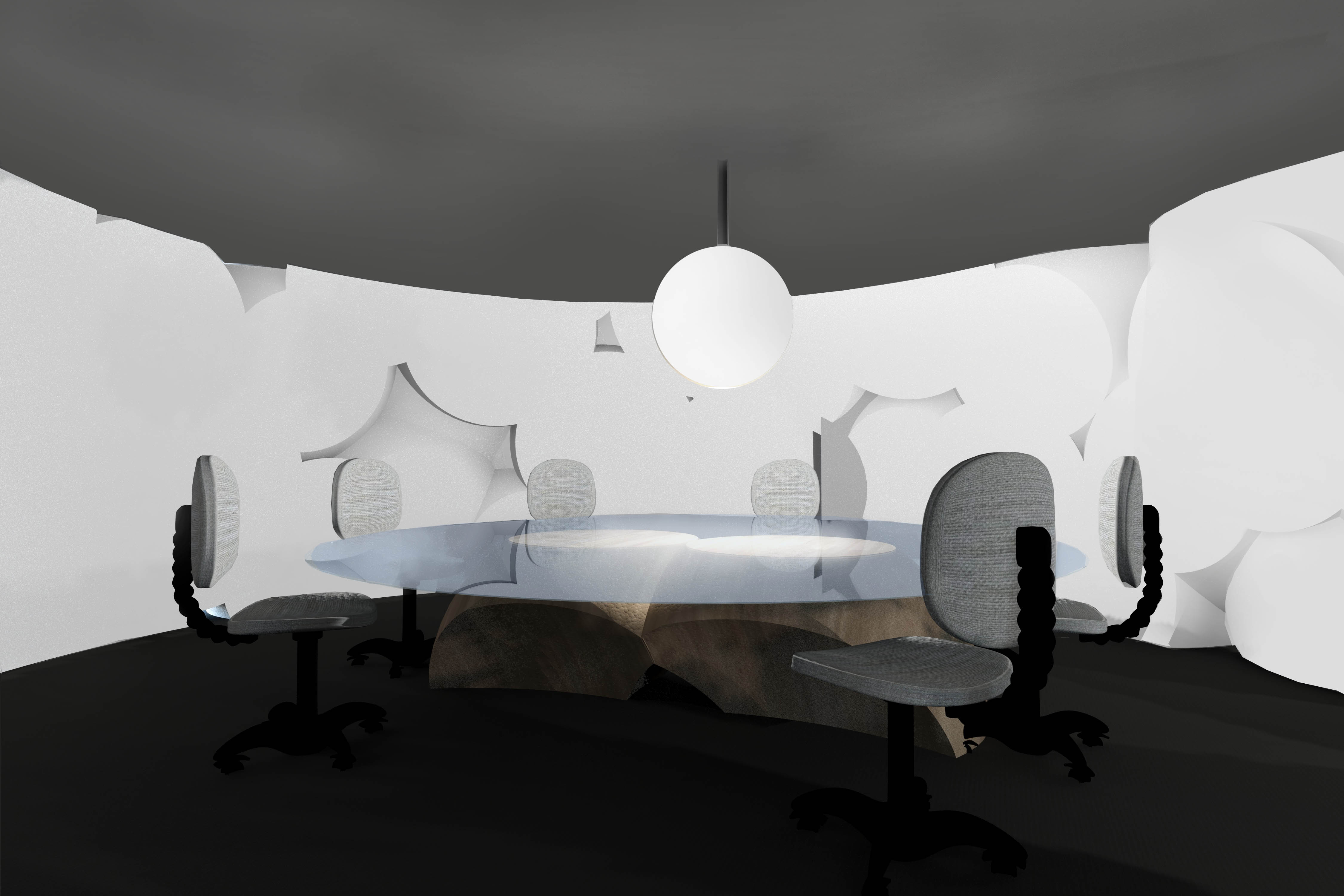
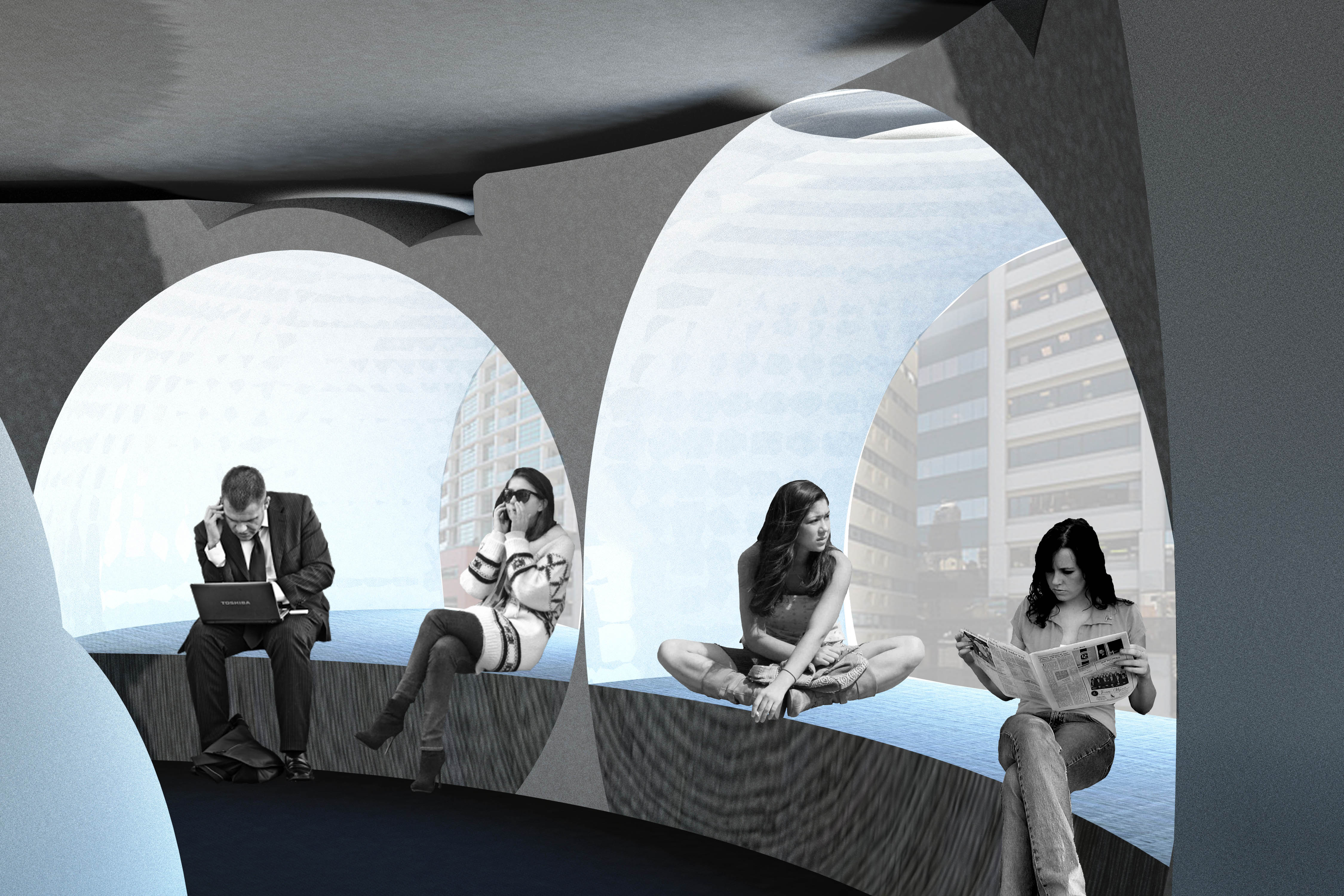
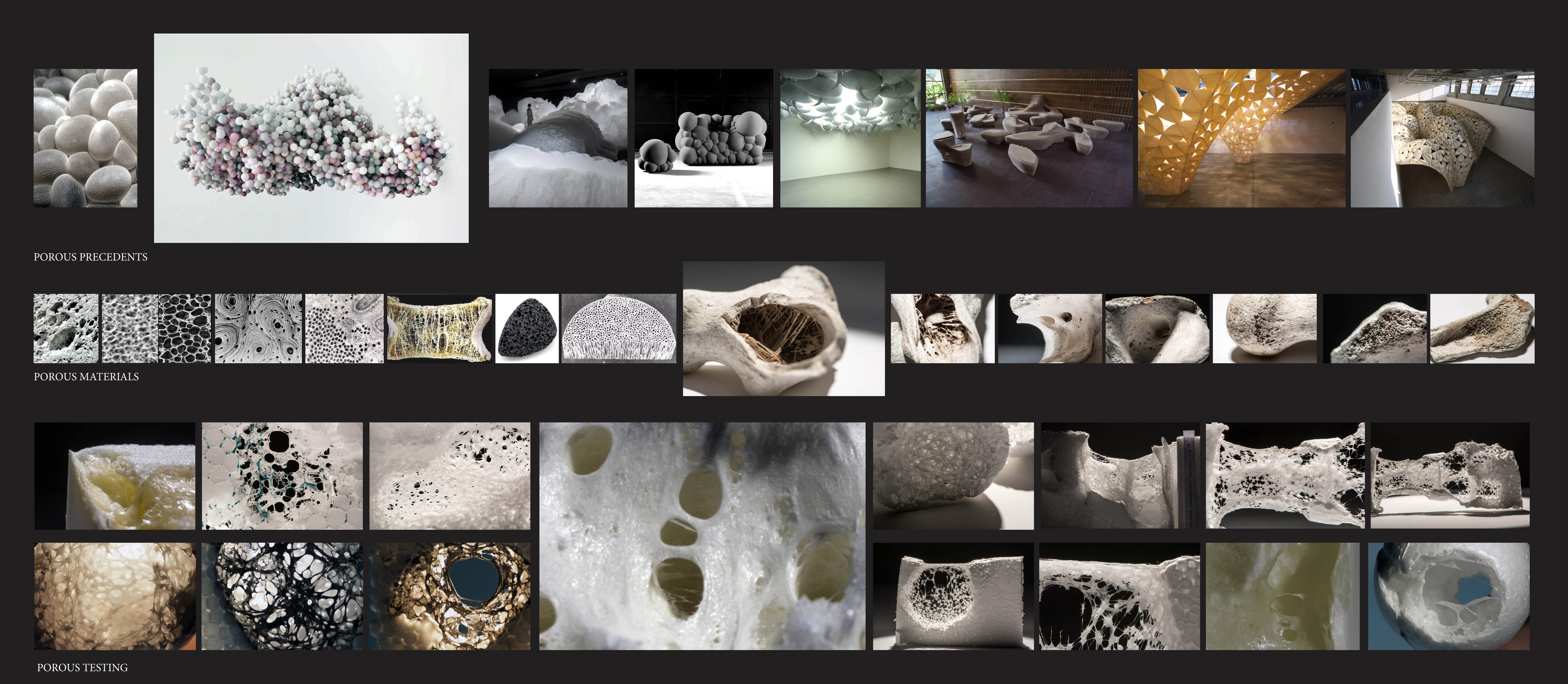
This project created an opportunity to design a commercial interior for a marketing firm in Wellington using parametric design. A diagrammatic approach was taken to assess the needs of the firm, and the opportunities in which the building could provide. The use of a driving force, porosity, was then added to create a design aesthetic. The use of coding through Grasshopper and Rhino produced the parametric design which couldn’t be achieved through Revit or Sketch up.
Hotel Room Design
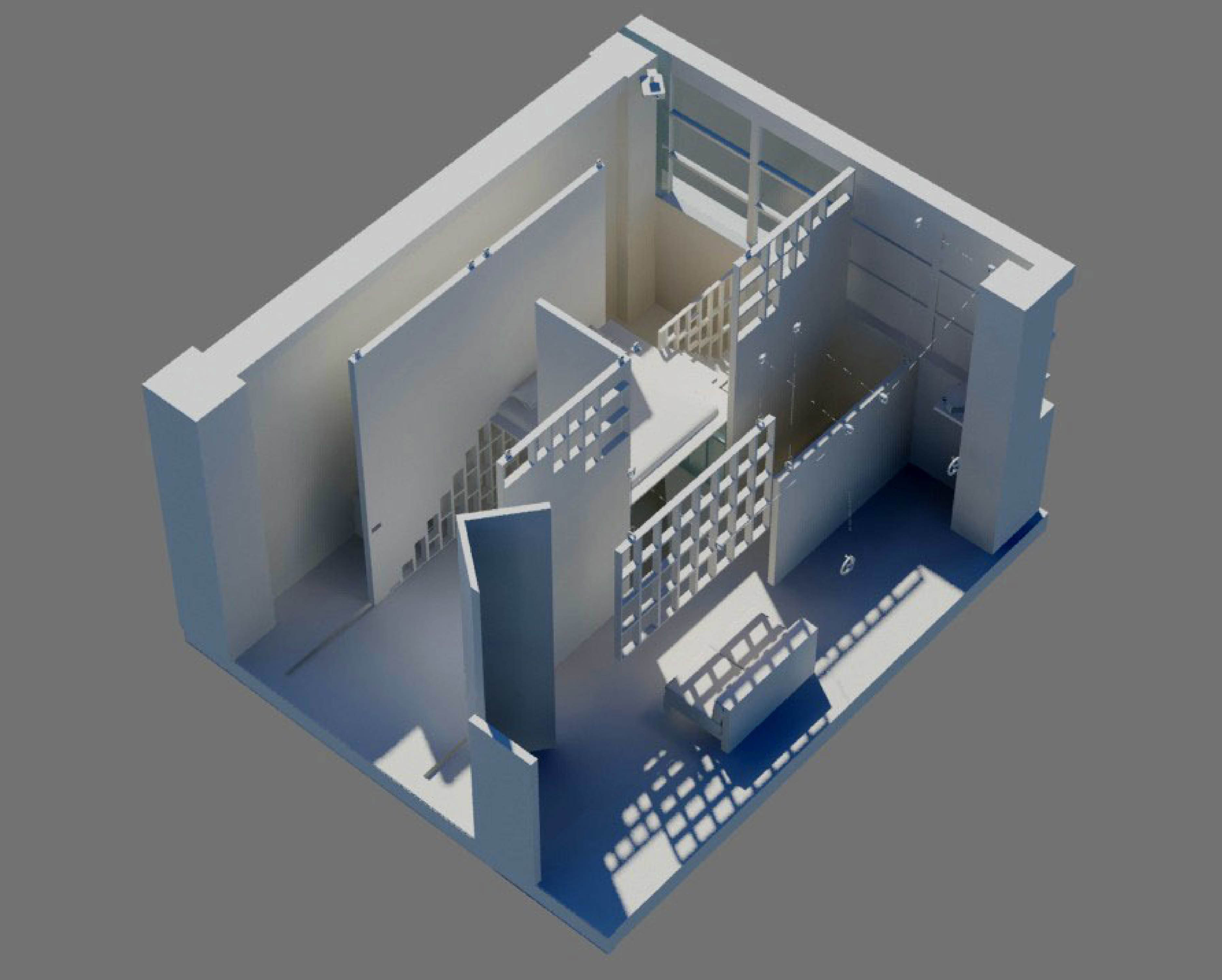
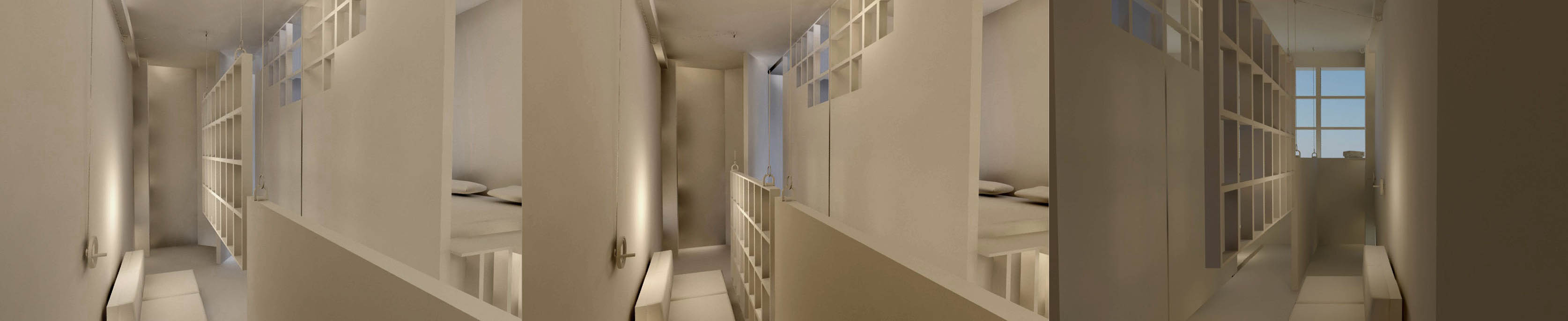
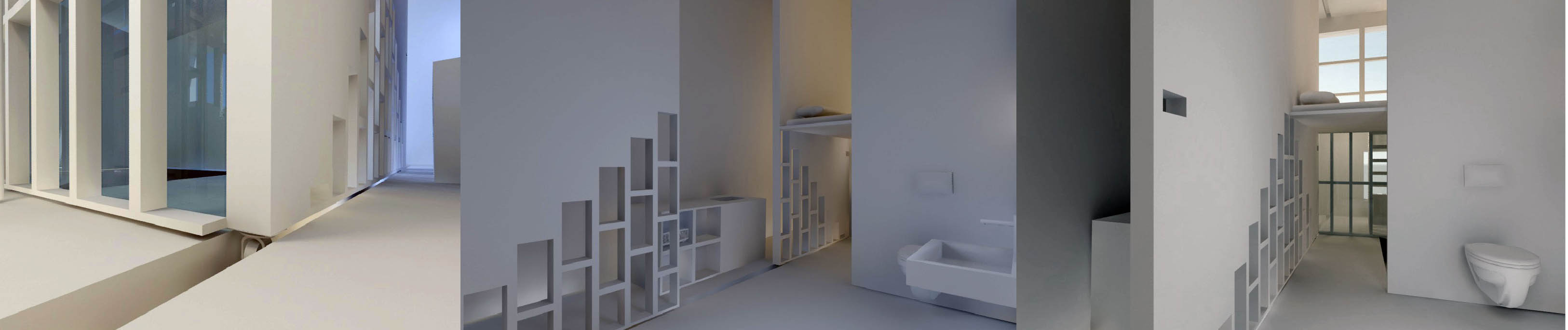
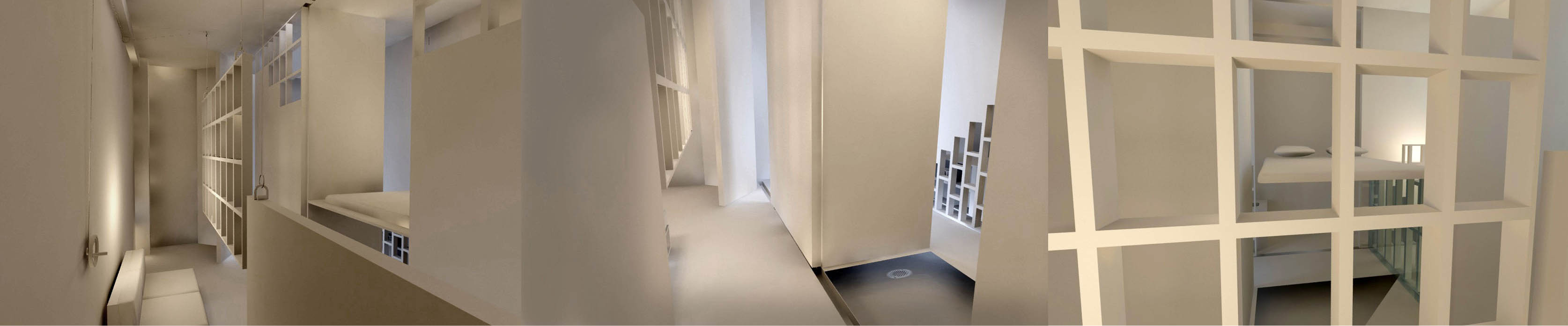
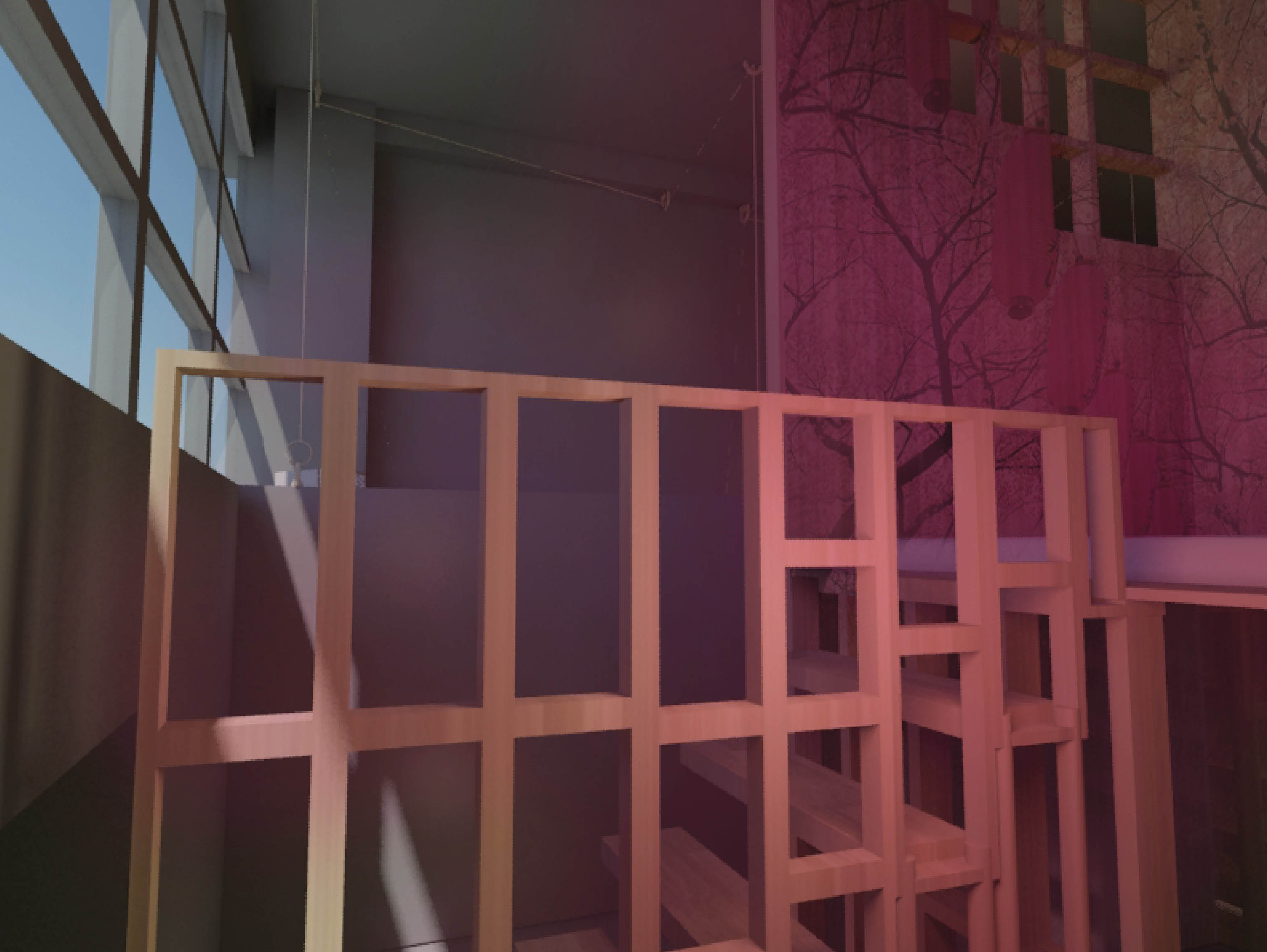
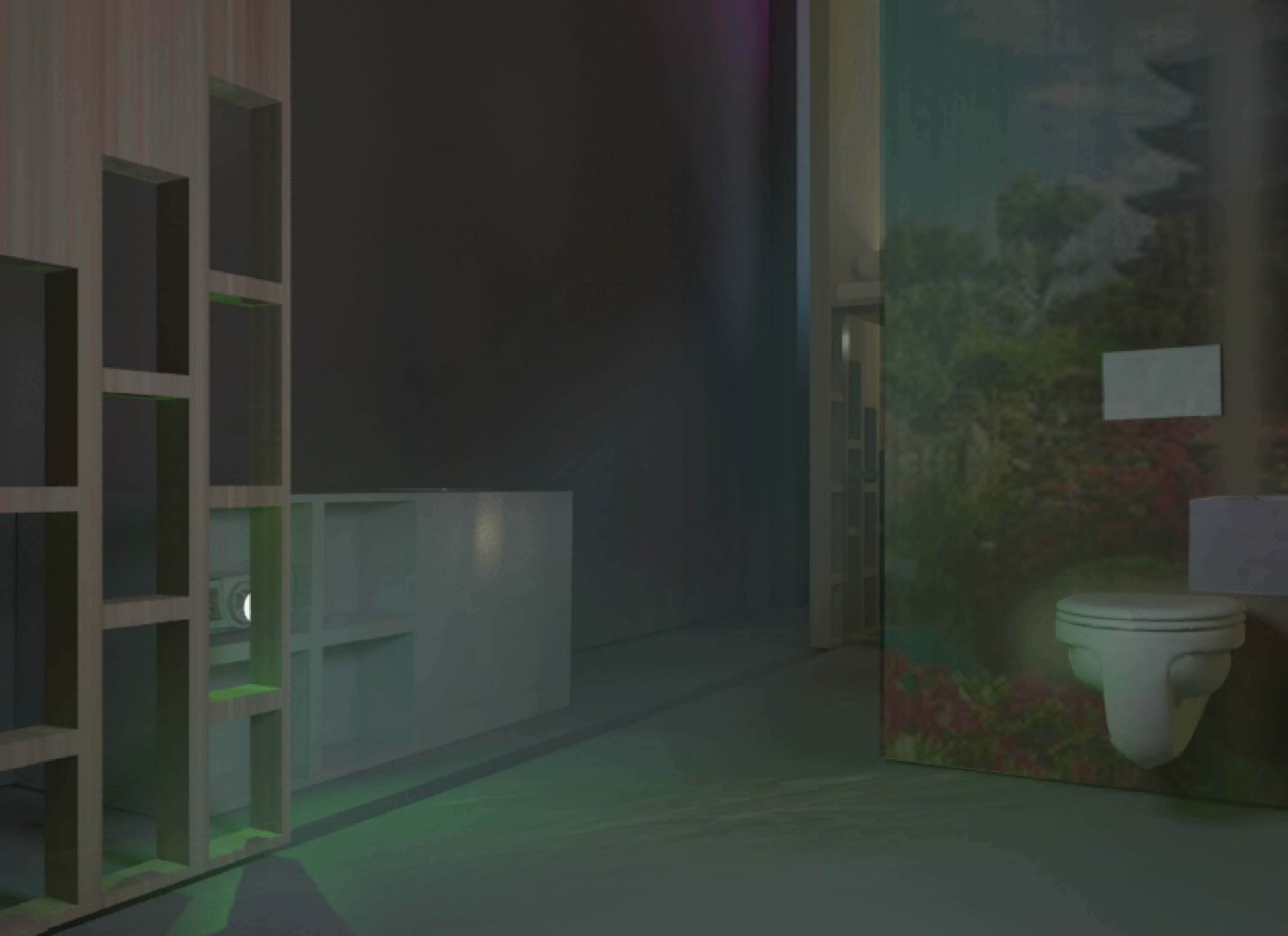
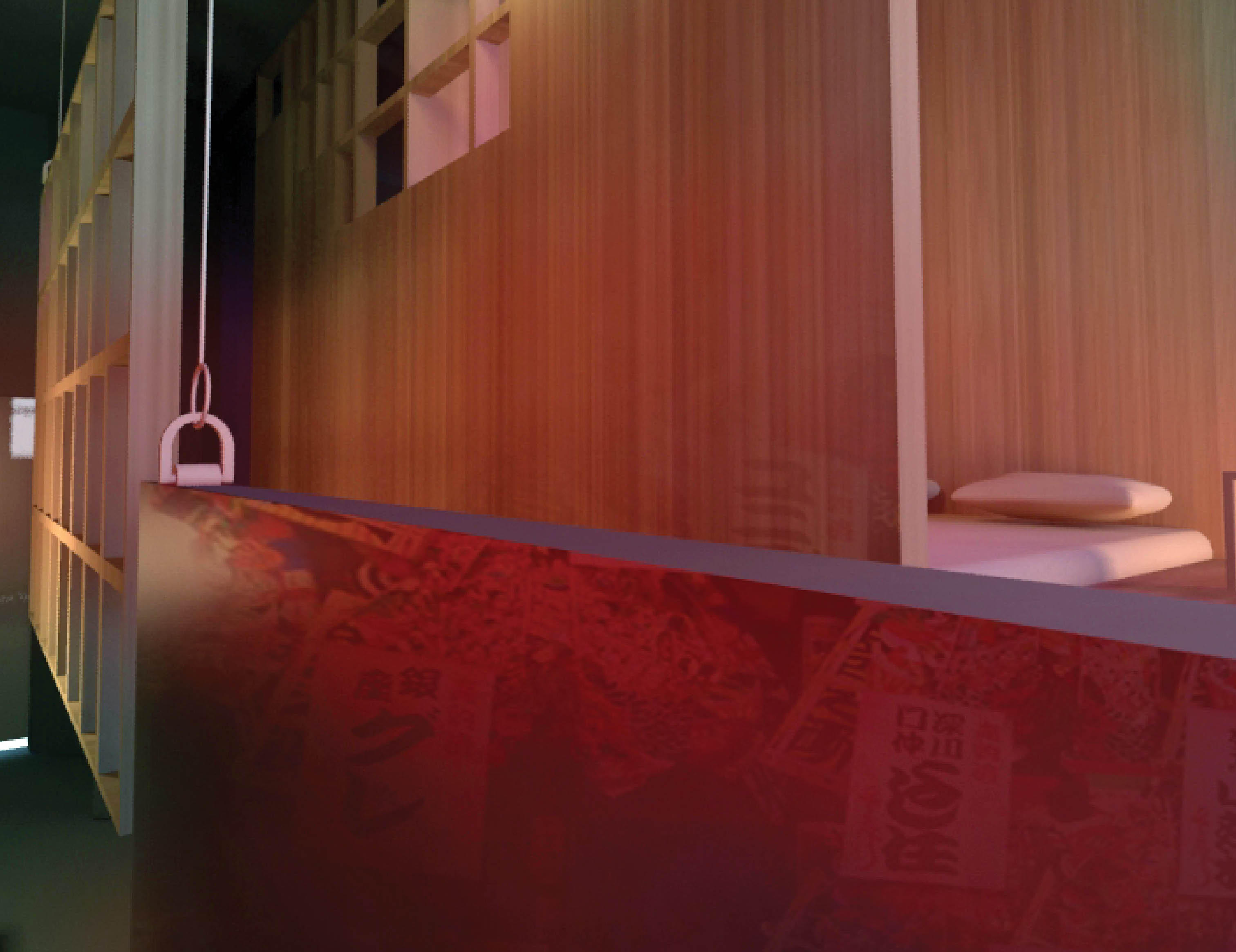
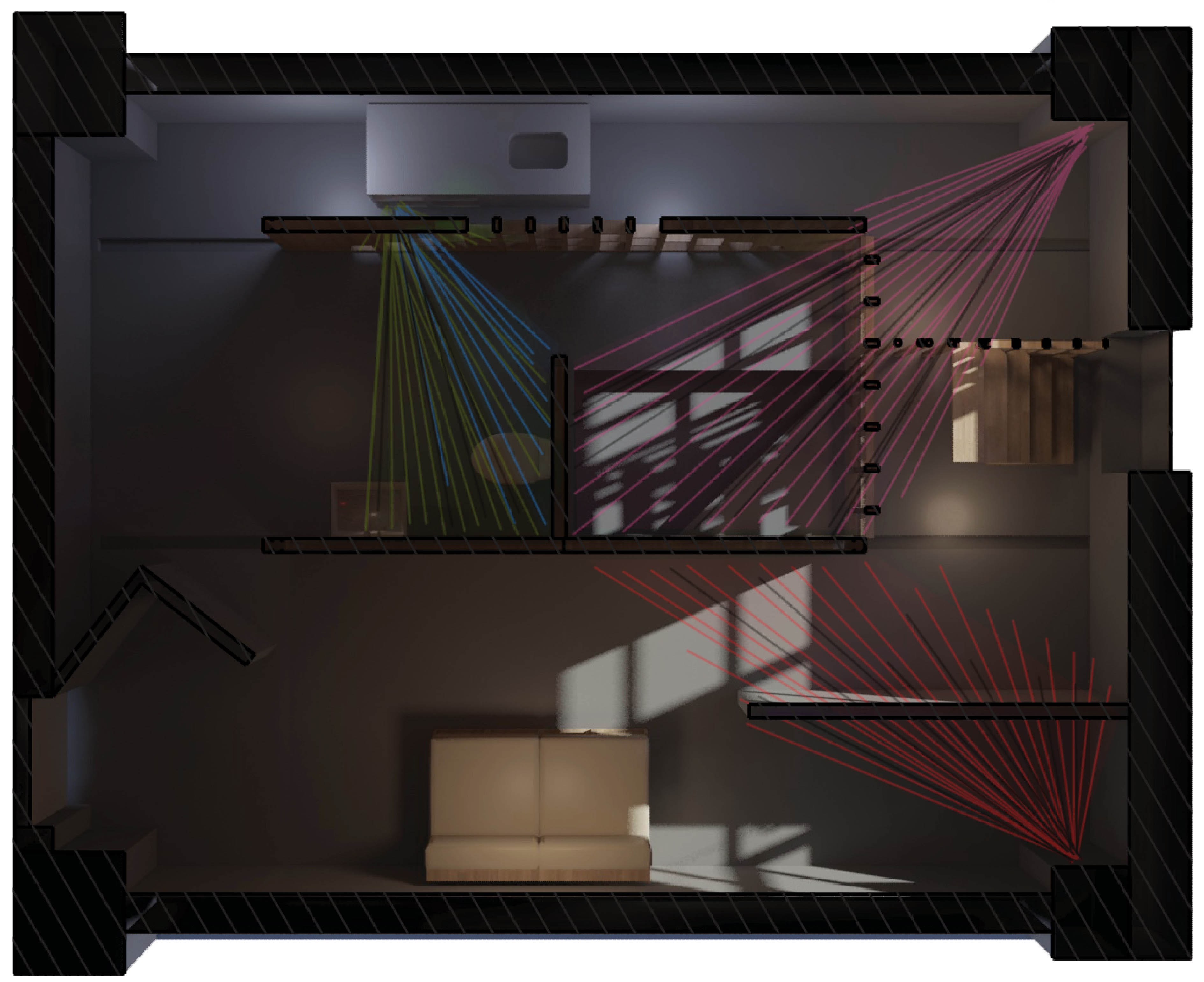
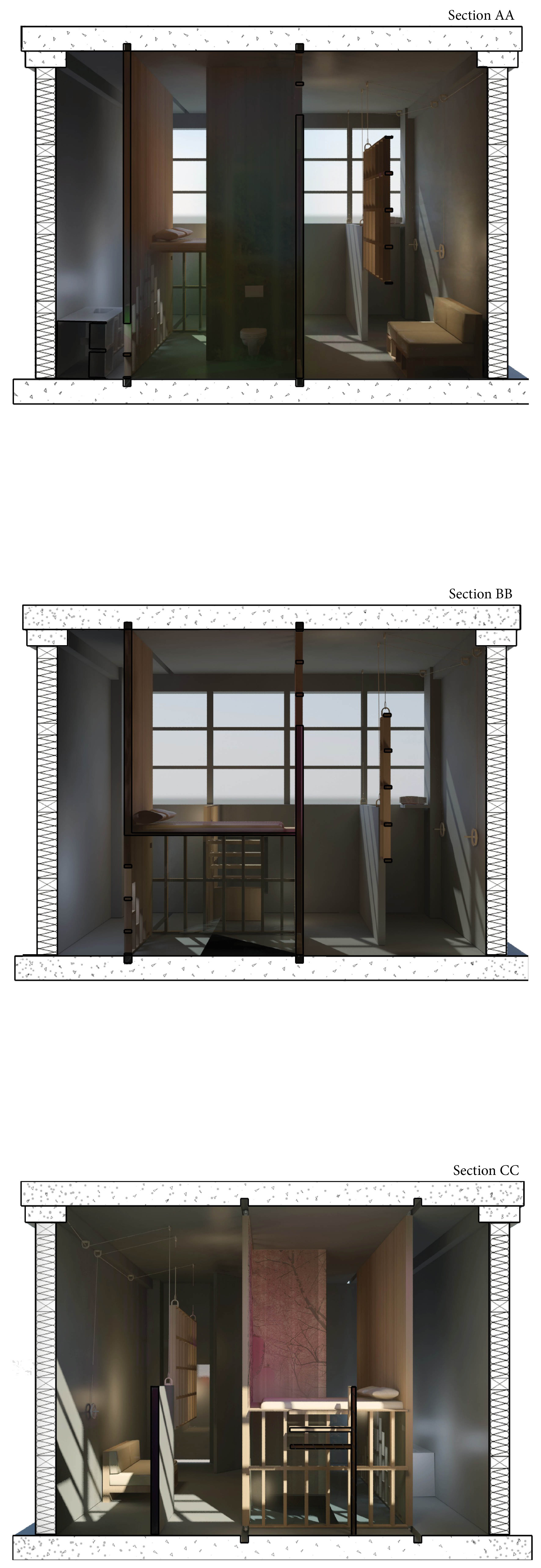
The concept behind the ‘moving room’ was to create spaces that are hidden away when not in use. By using projectors the room then highlights certain aspects through light and shadows. The use of a narrative closely relating to the culture of Japan creates a deeper meaning for the design of the hotel suite. This narrative talks about two Gods creating the islands of Japan through pulling and dropping mud with a ‘magical’ spear. With this notion in mind, came the movement of screens through space. By using two important programmatic drivers the notion of sleep and bathing became the focus points within the suite. These programs were chosen through the Gods, and their connection to heavenly creatures (sleep), and Japan itself, how bathing was an important ritual and social event for the culture.
Hotel Design
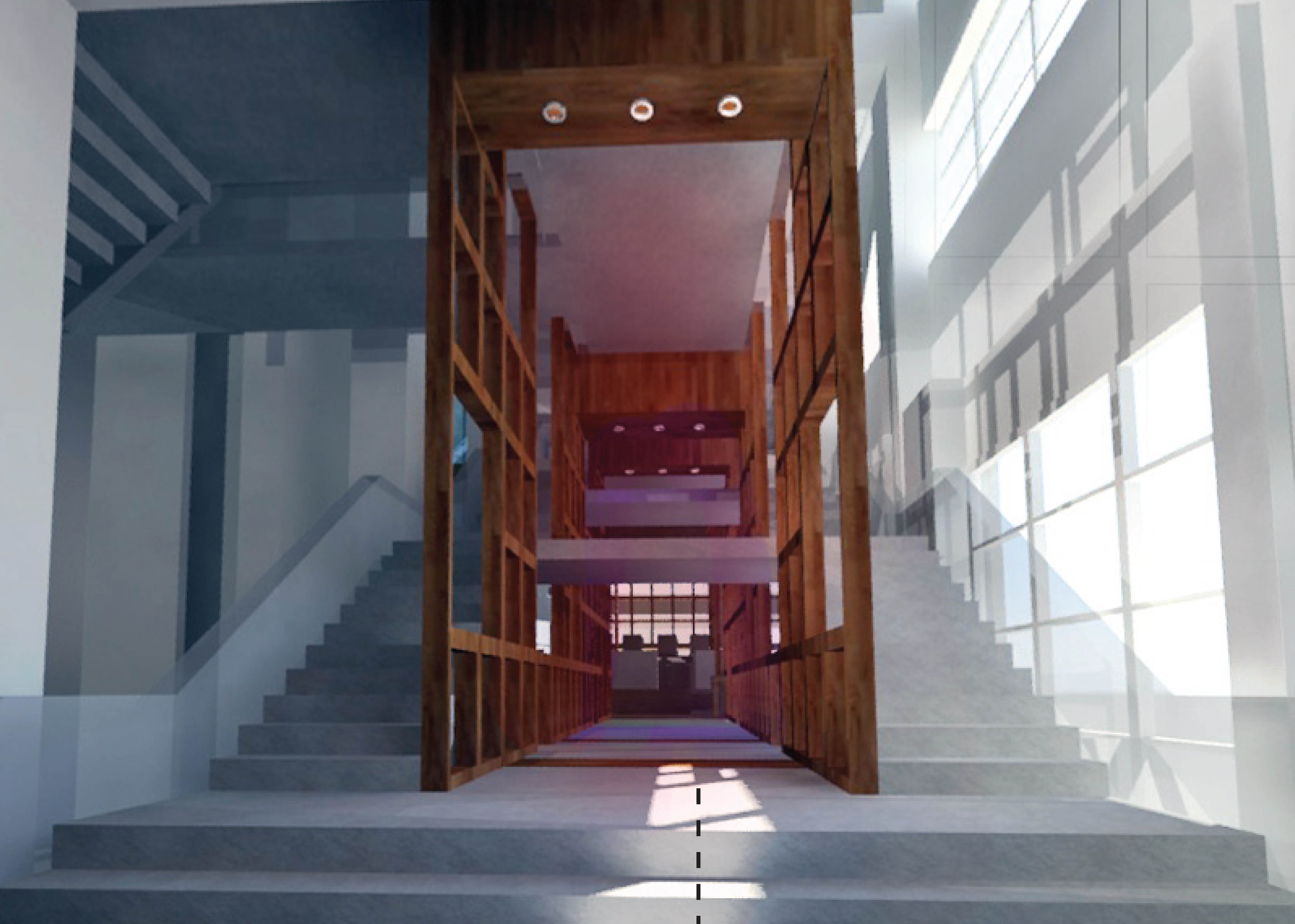
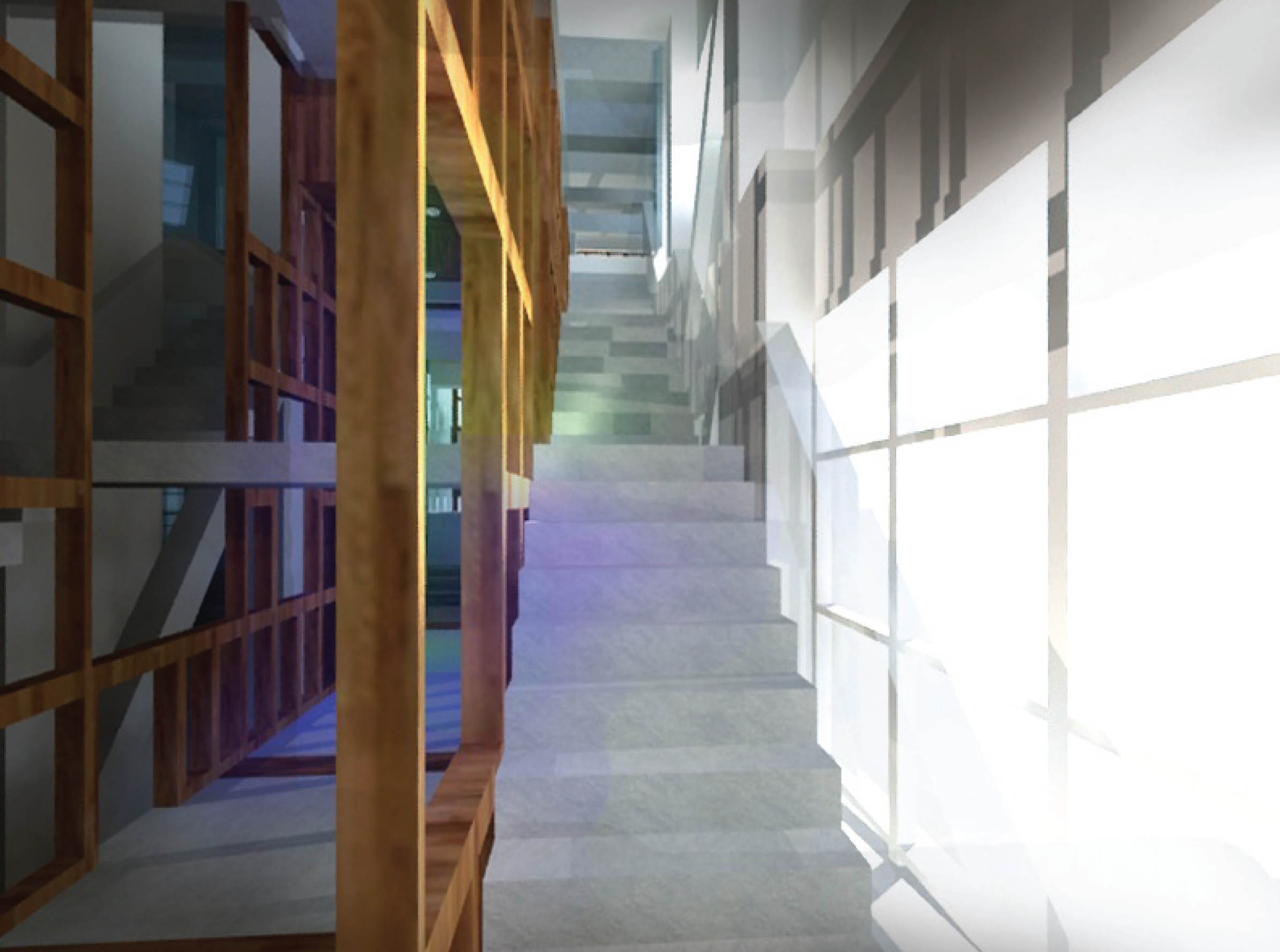
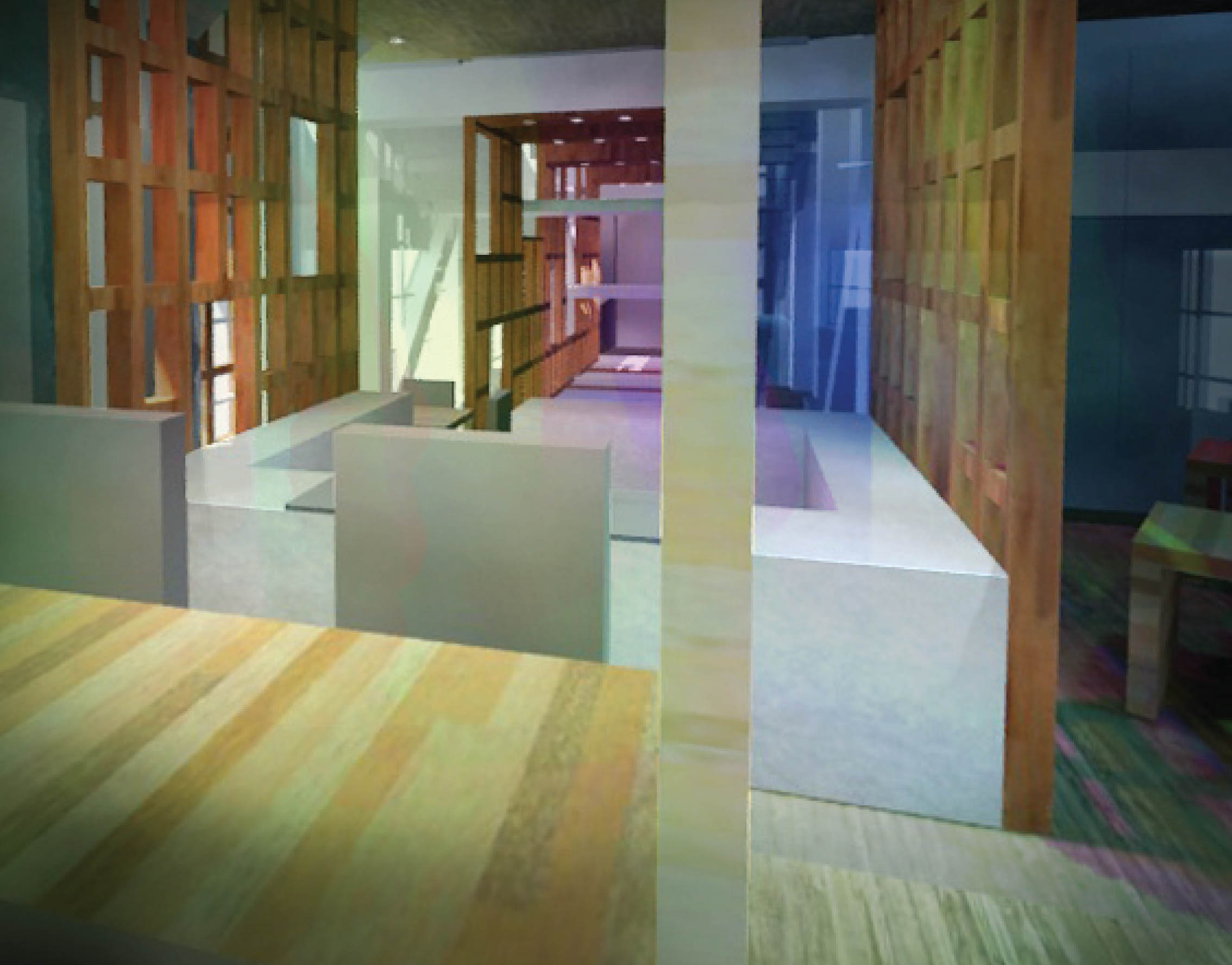
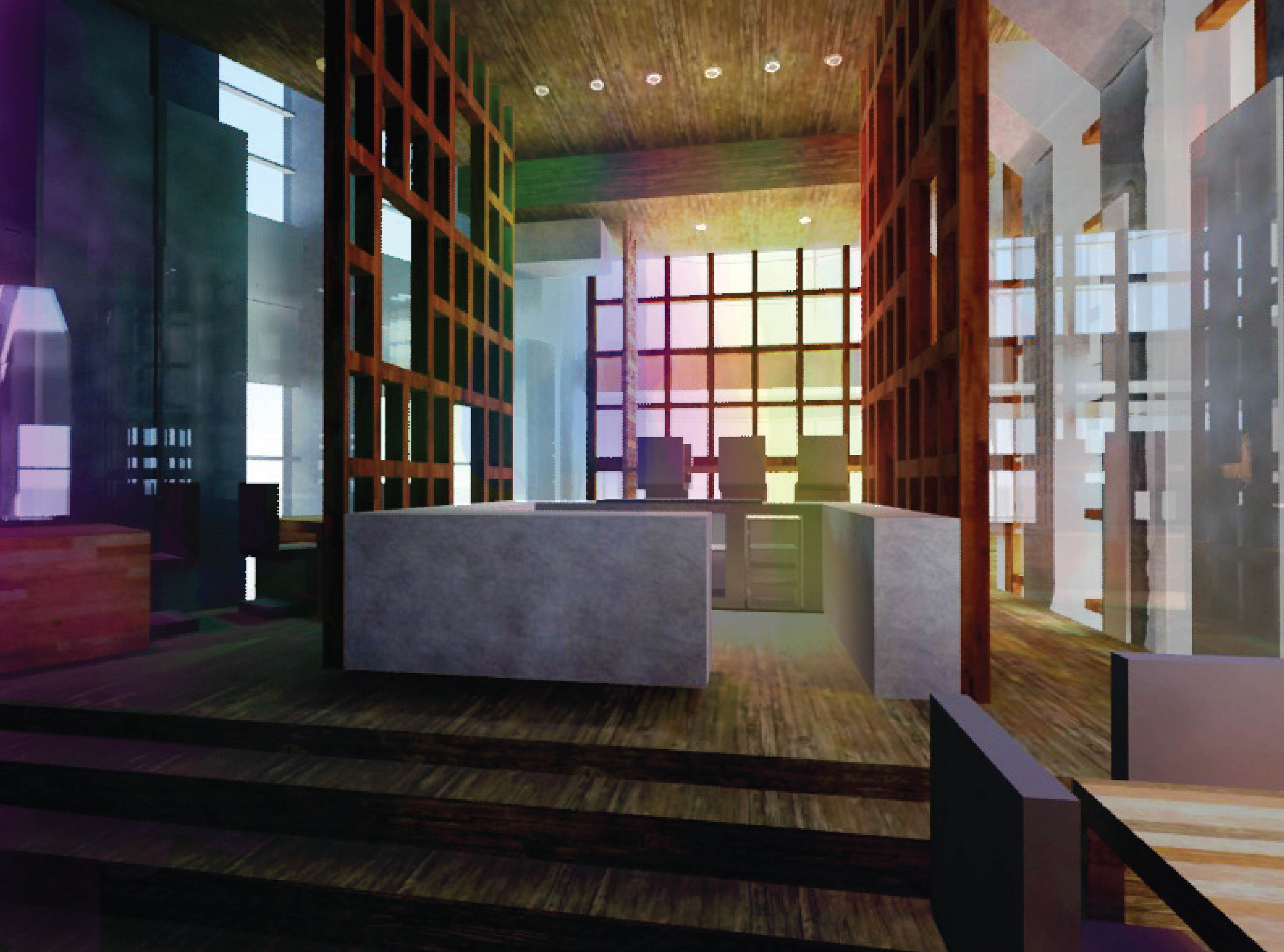
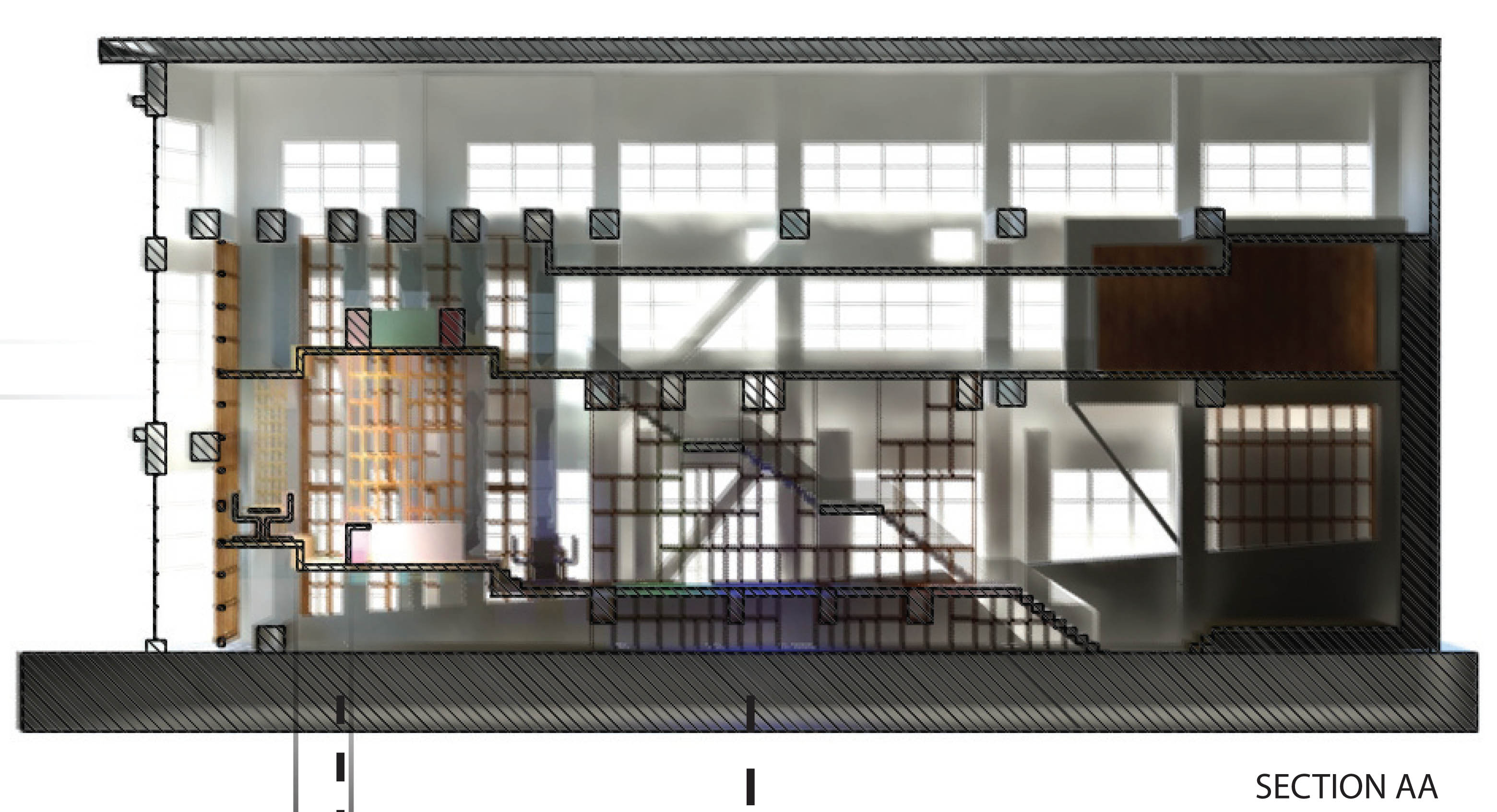
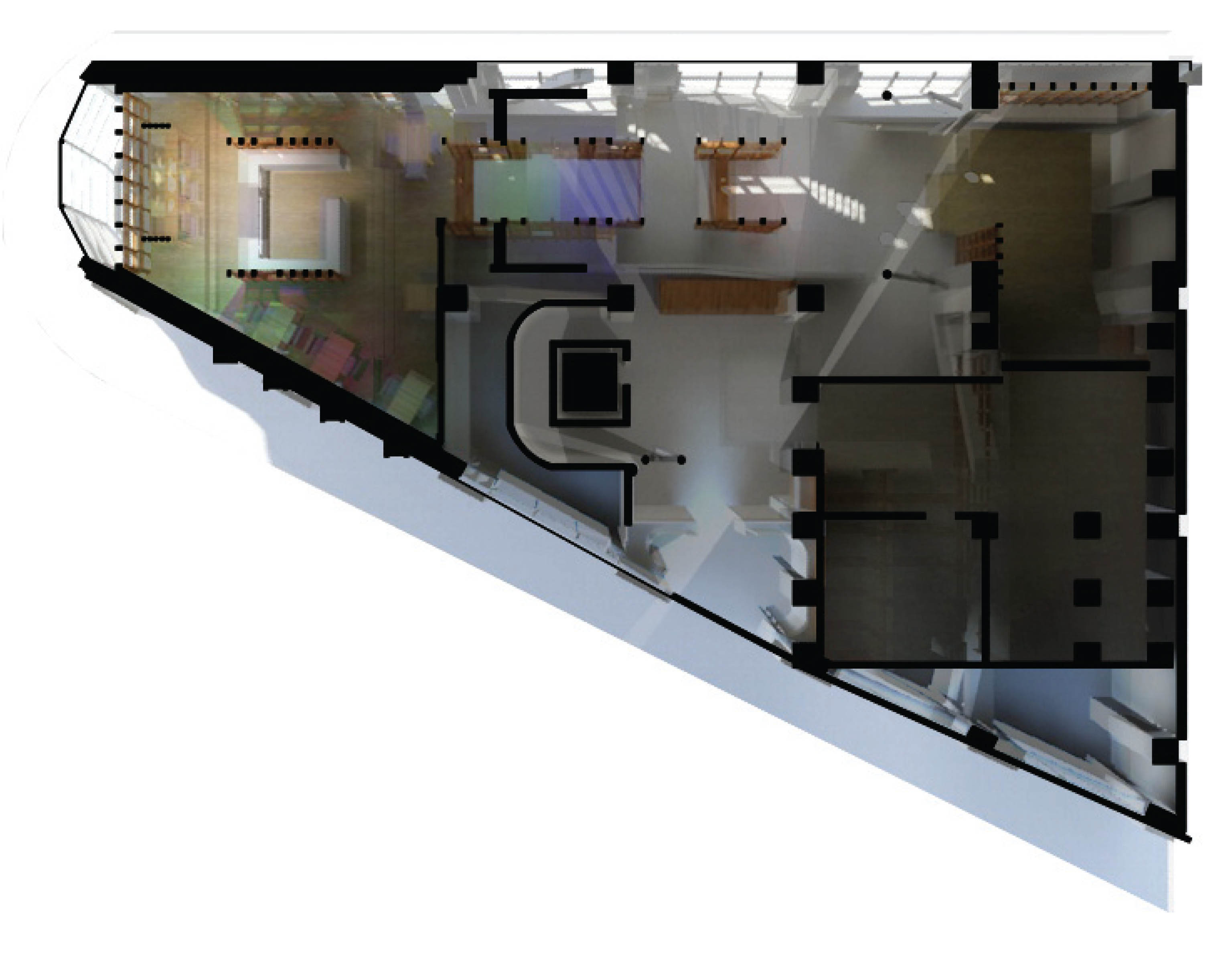
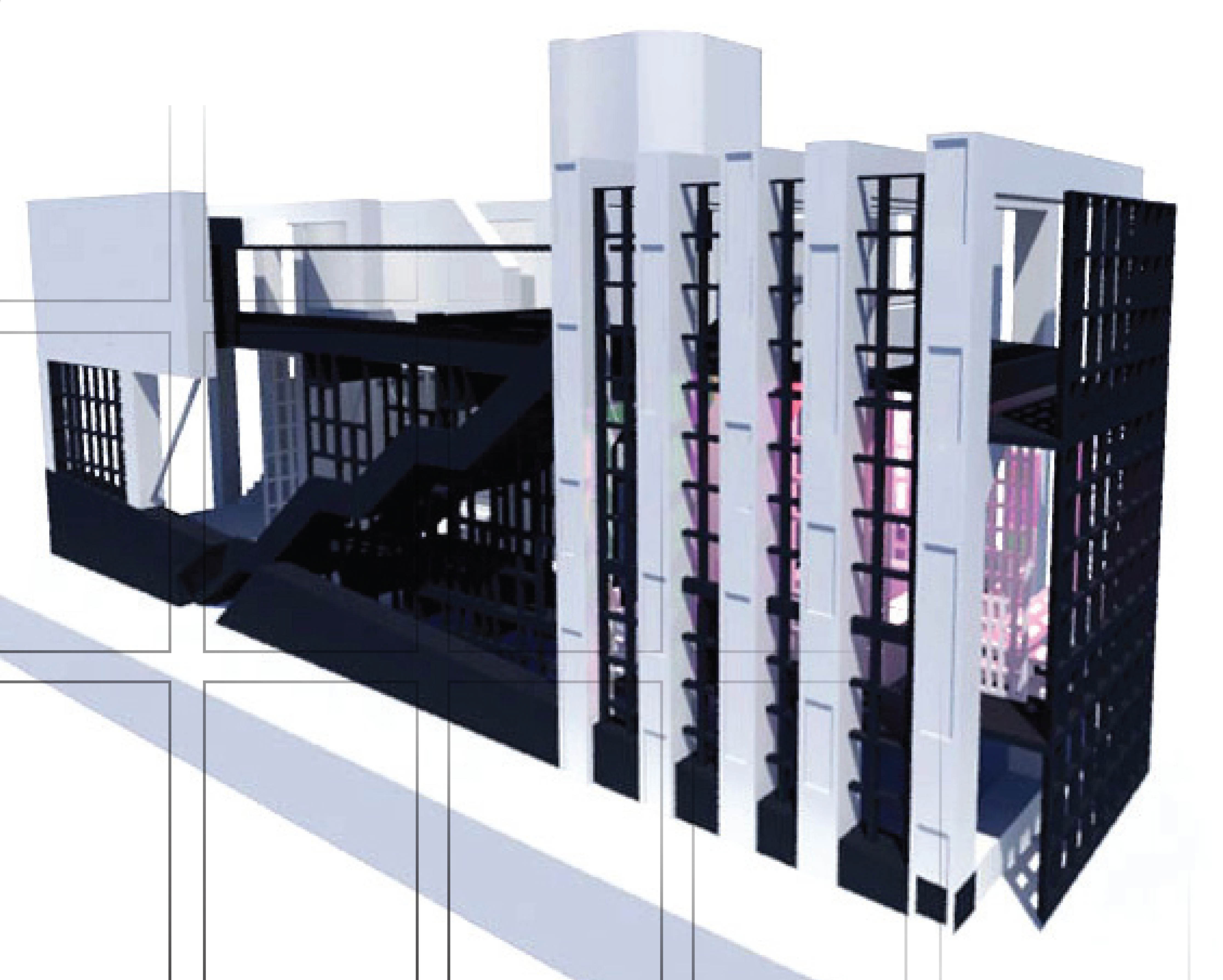
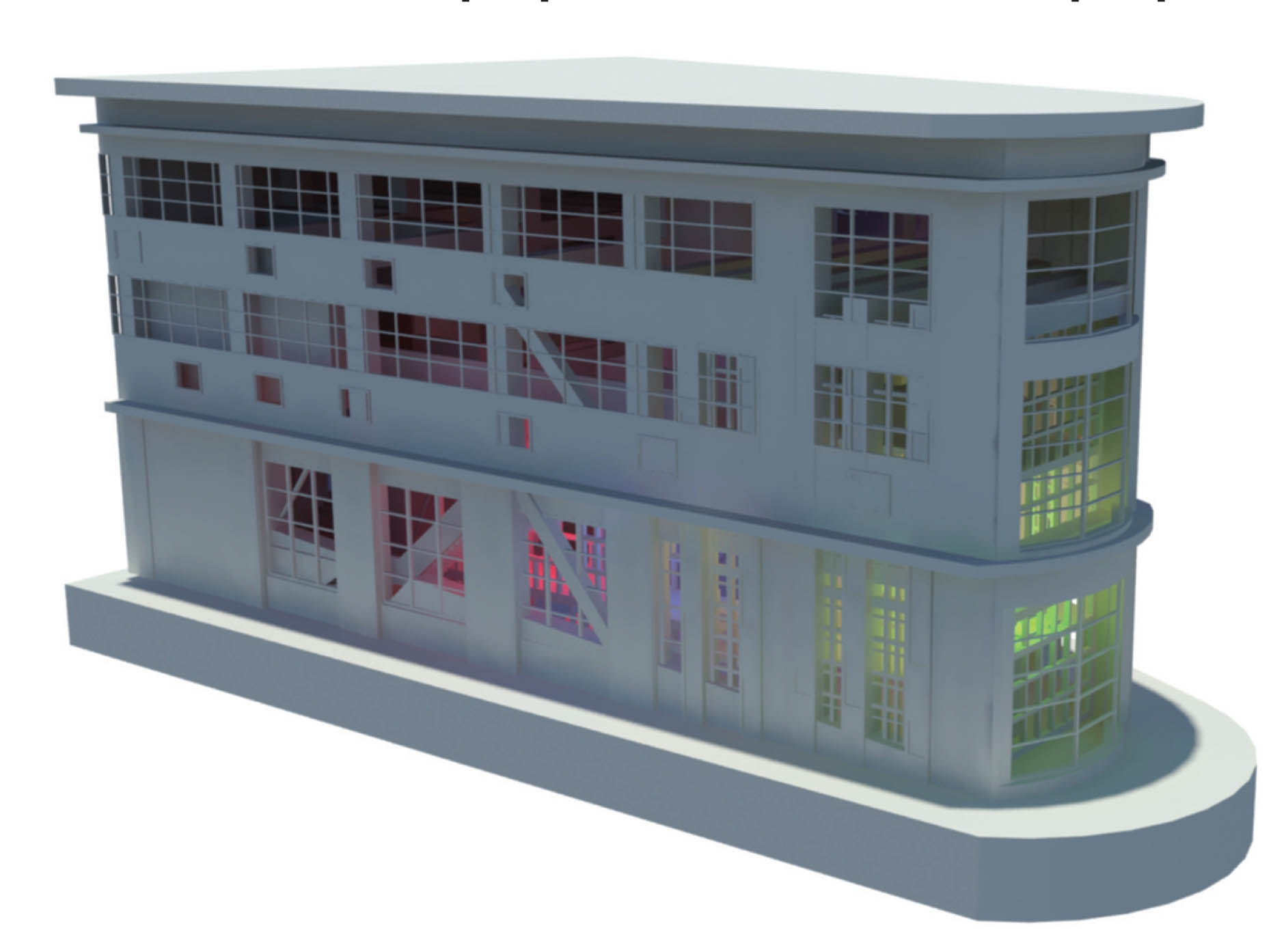
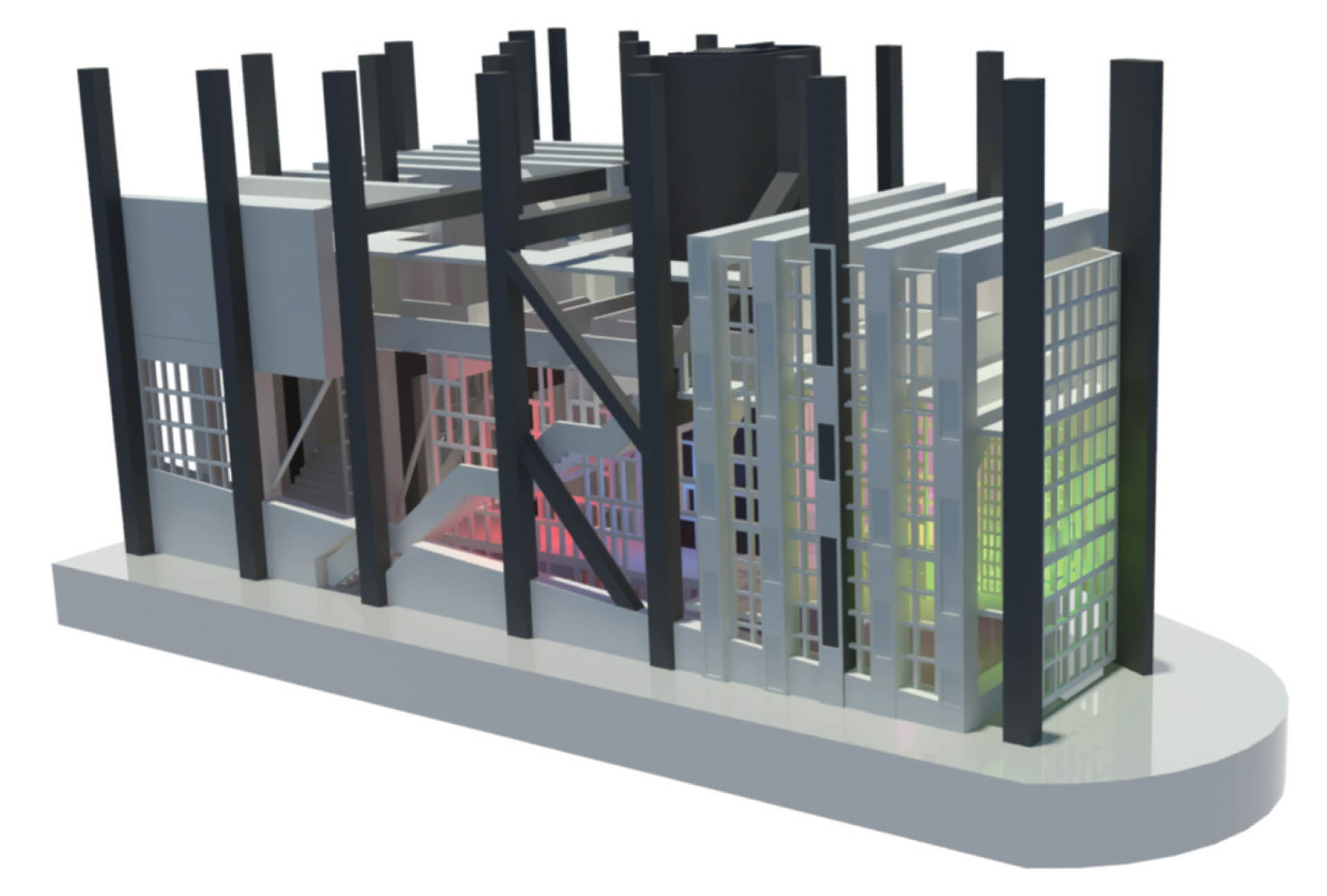
The design intervention of this hotel foyer/dinning is based on the Japanese legend ‘Creating the Eight Islands of Japan’. Two Gods played a major part in this; they are represented through the two structural elements at either end of the design. The main stairwell signifies the magical process of creation between the two Gods. To conform to aspects of the Tokyo cultural nightlife, projections have been used to enhance aesthetics throughout the space.
Retail Design
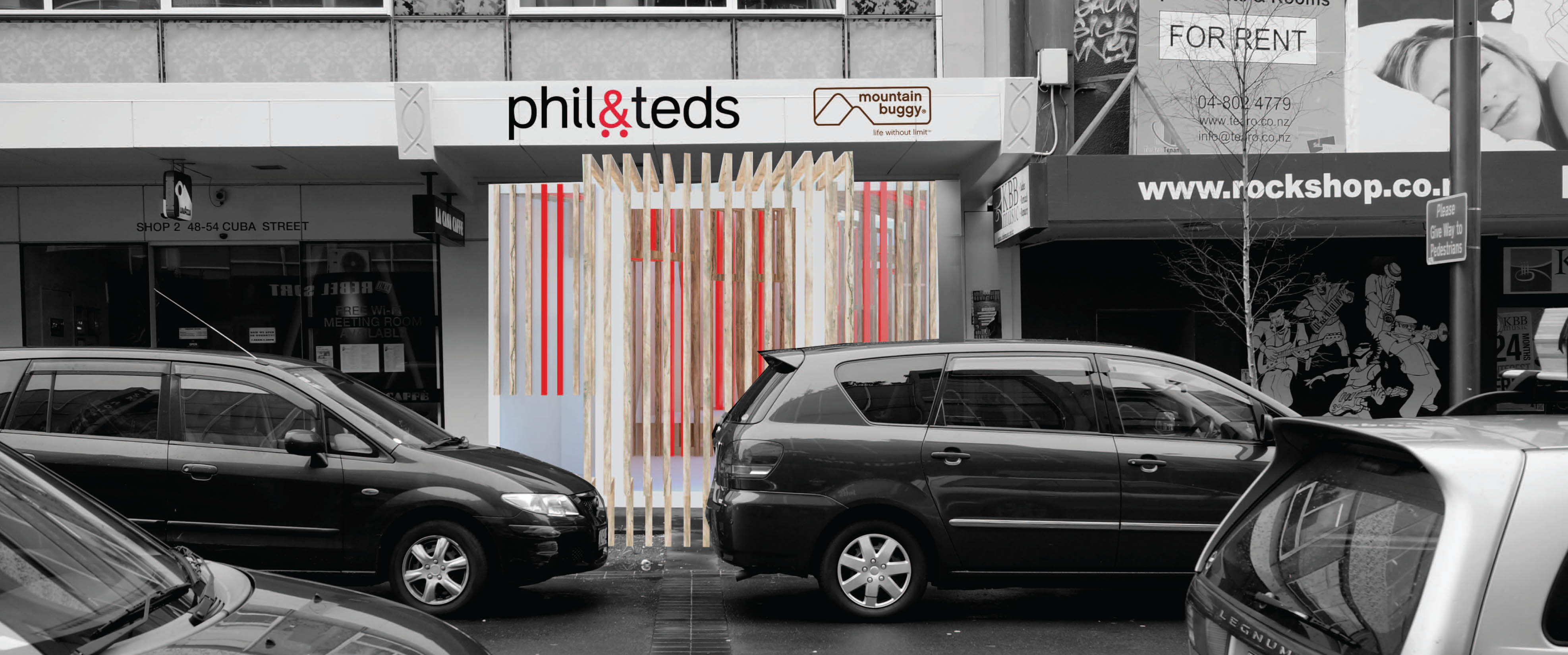
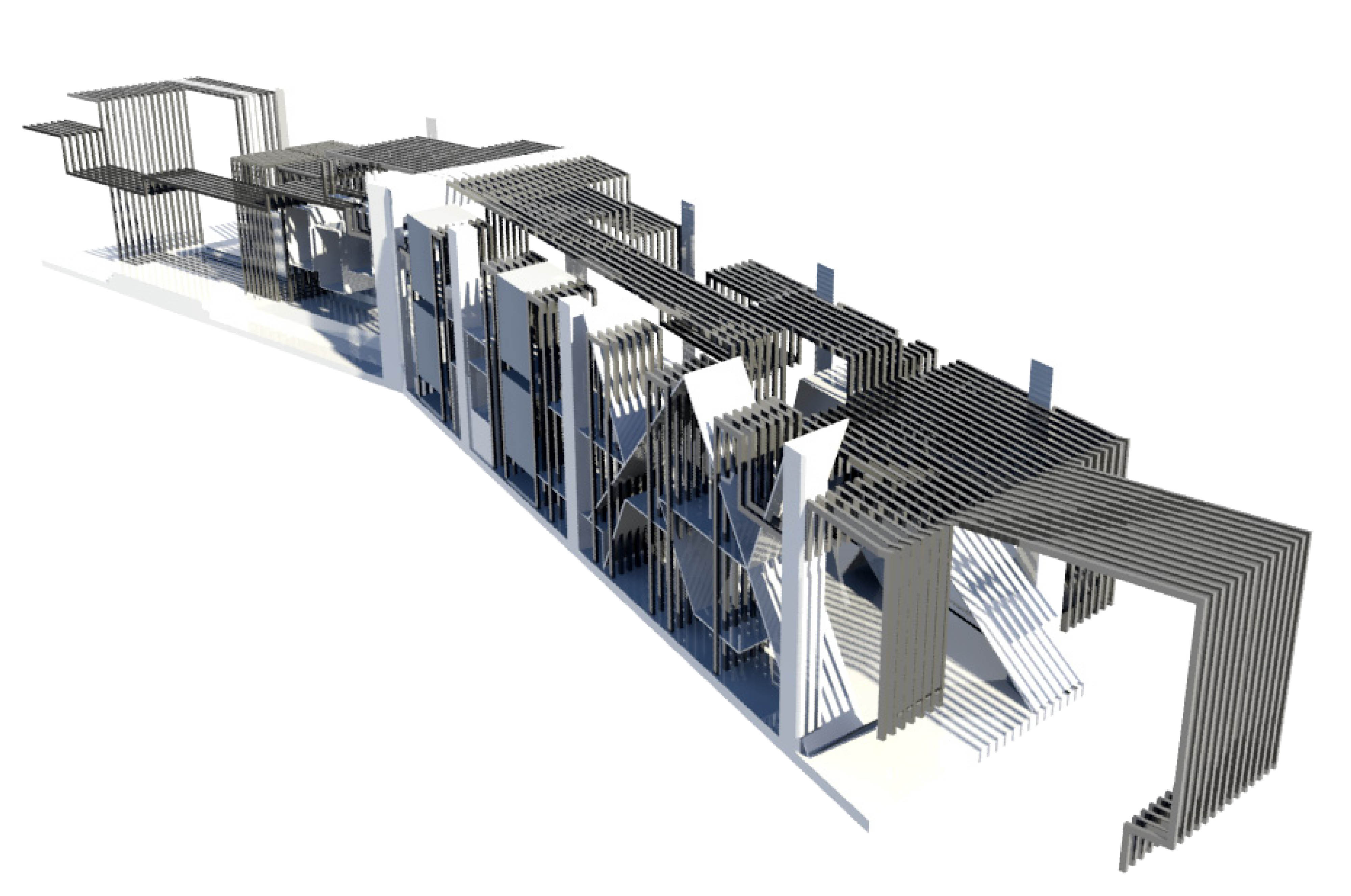
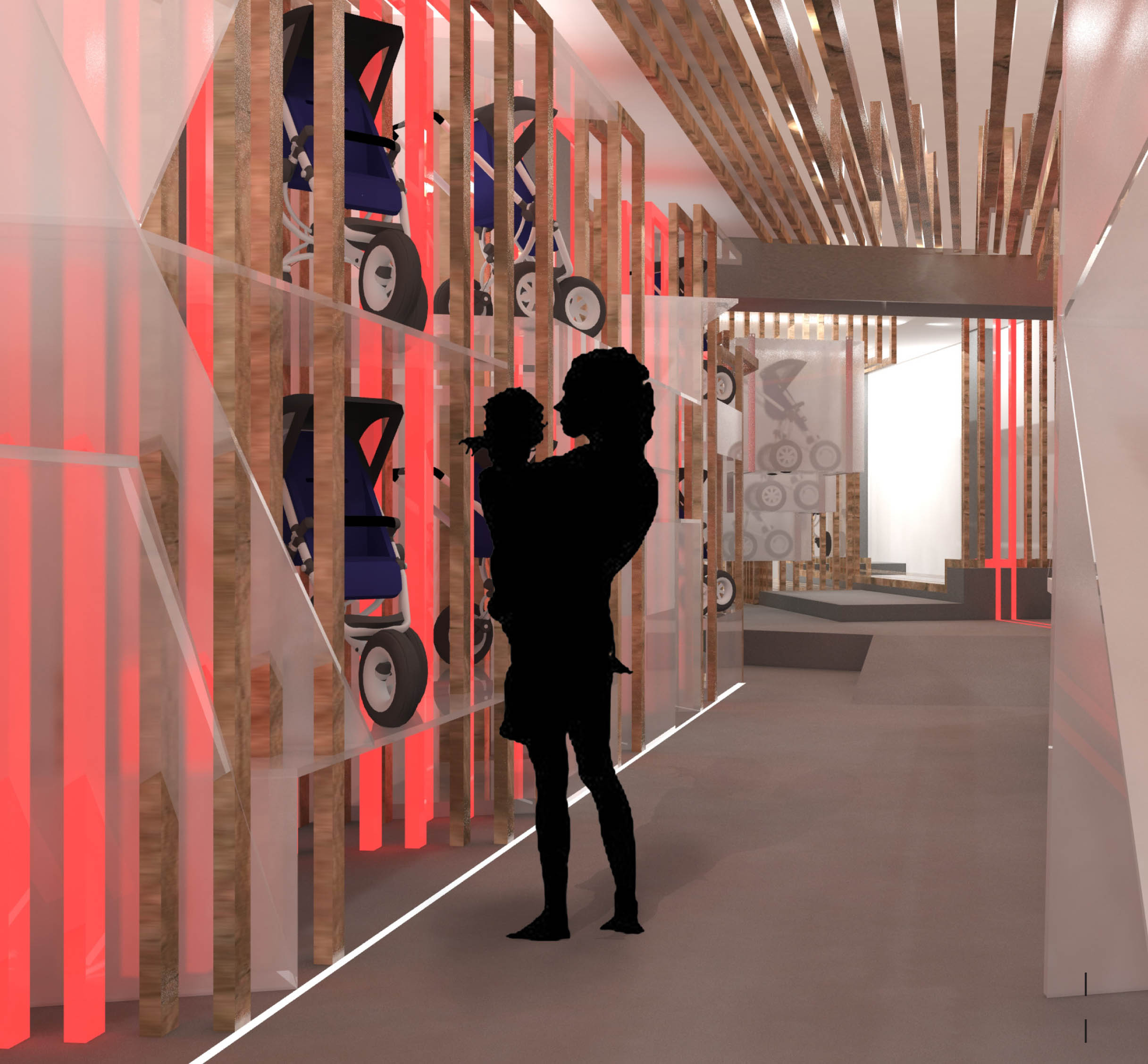
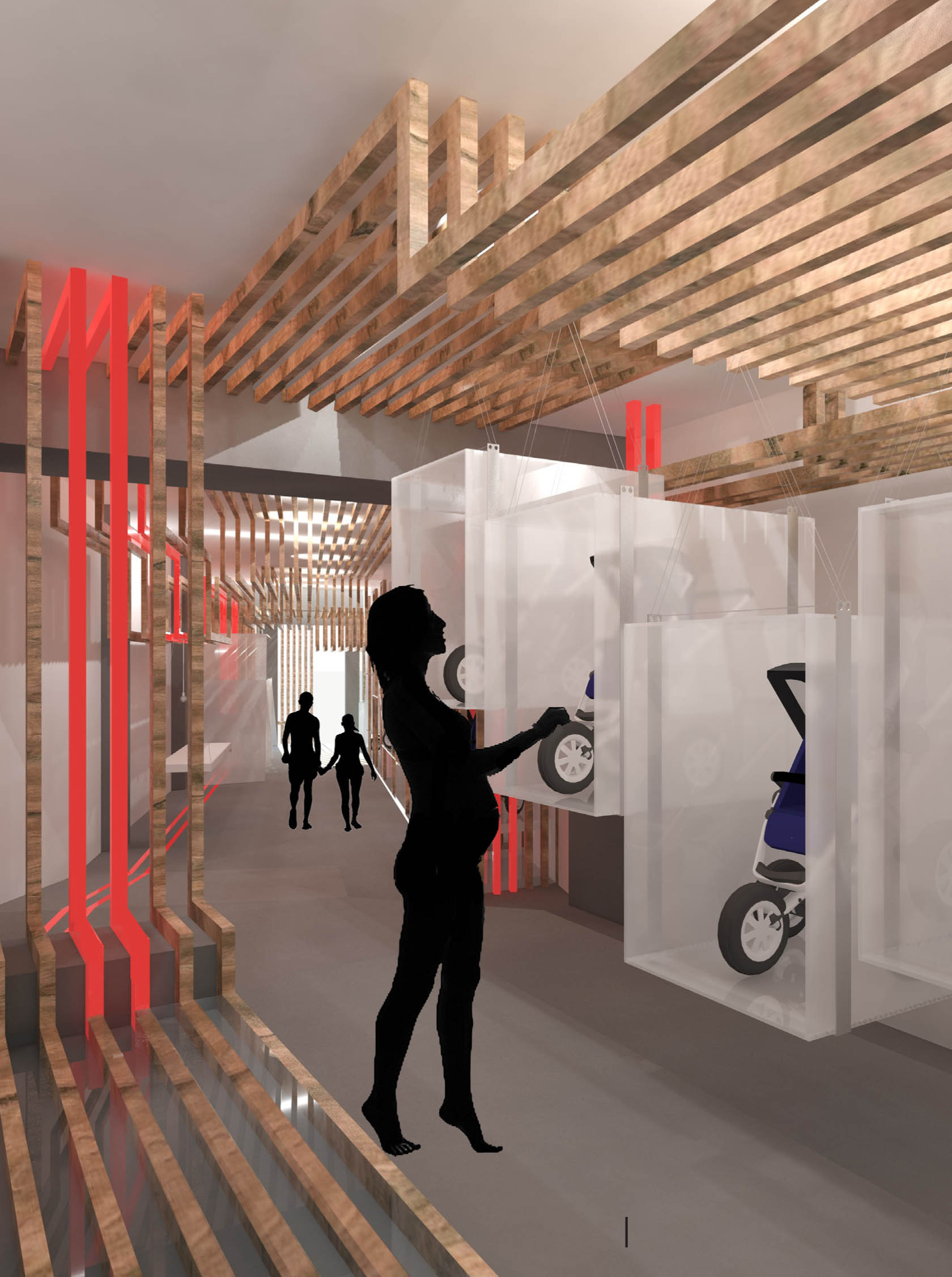
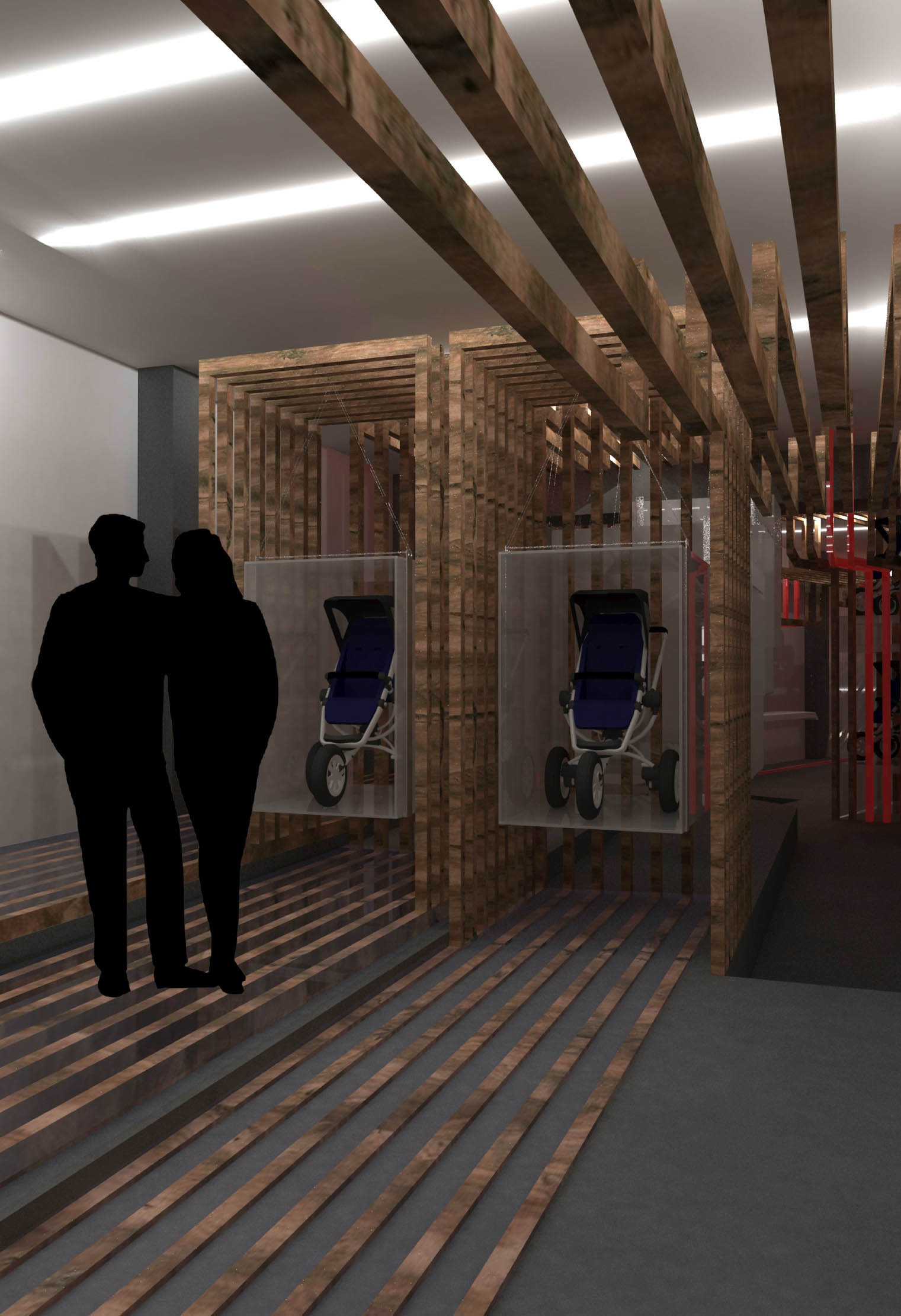
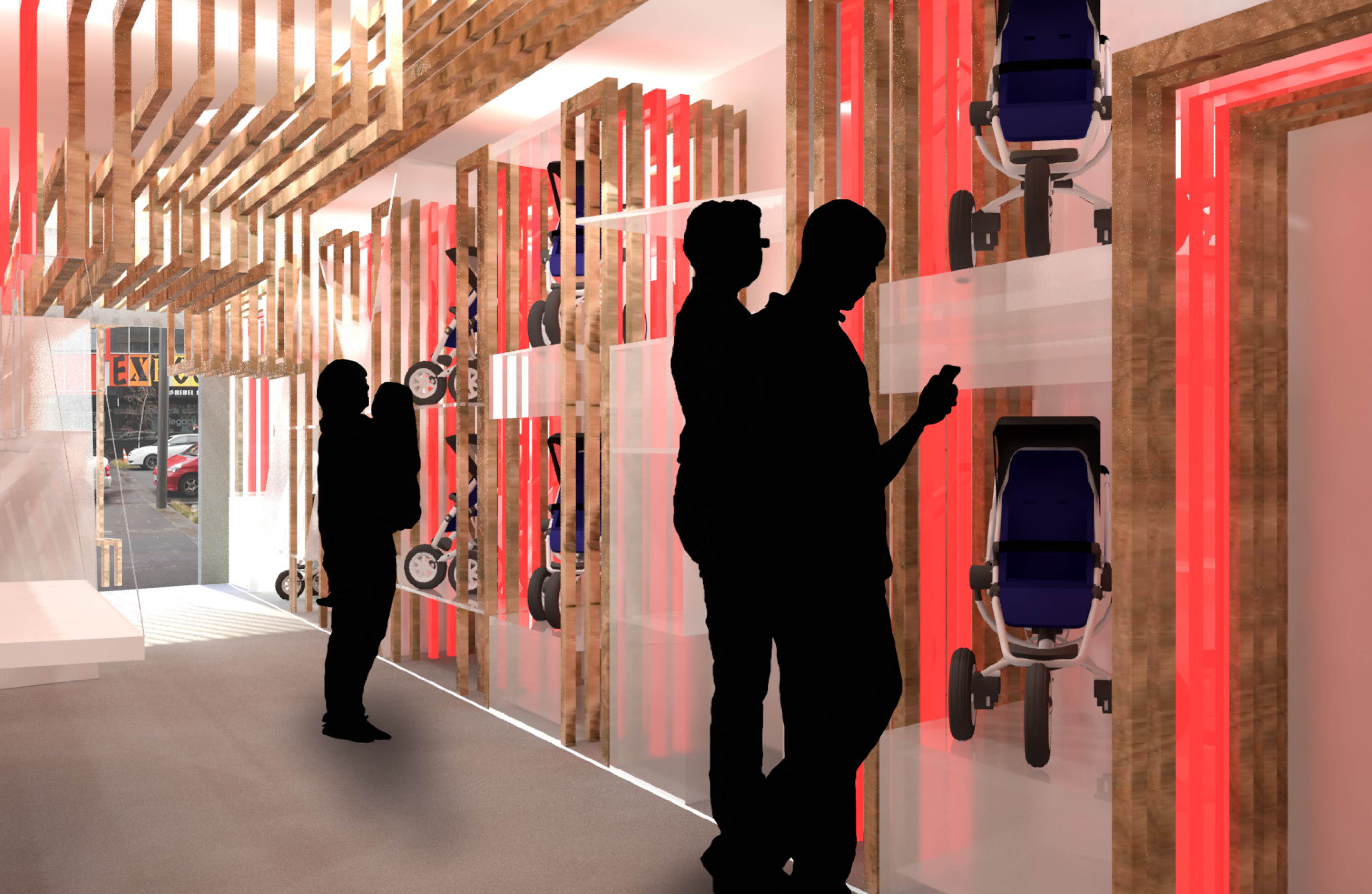
This projects was based around recreating a retail design for a local Wellington Company. The client that needed a new retail outlet was Phil & Teds, they make childrens pushchairs and other accessories. These products had to be displayed in a unique manner. The use of panels which run through the store directs the customers from the entrance through to the rear. The panels create structural members for the displays to intersect, be supported by, and hang from. The atmosphere and product characteristics change throughout the journey of the space. These changes include chaotic displays of Phil & Teds at the beginning, to formal displays for integrated products, and then the sophisticated design of Mountain Buggy towards the end.
Lux City | Christchurch
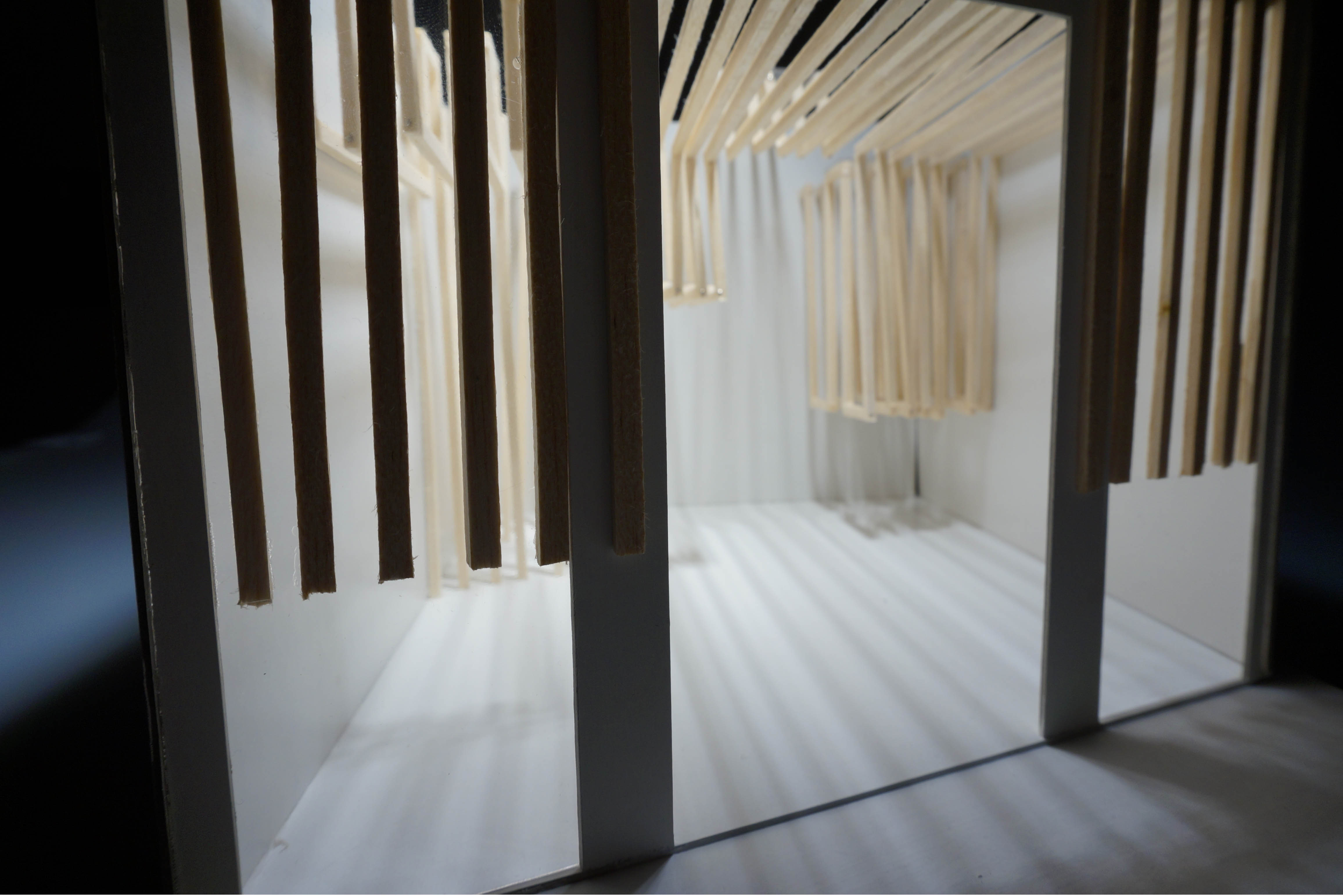
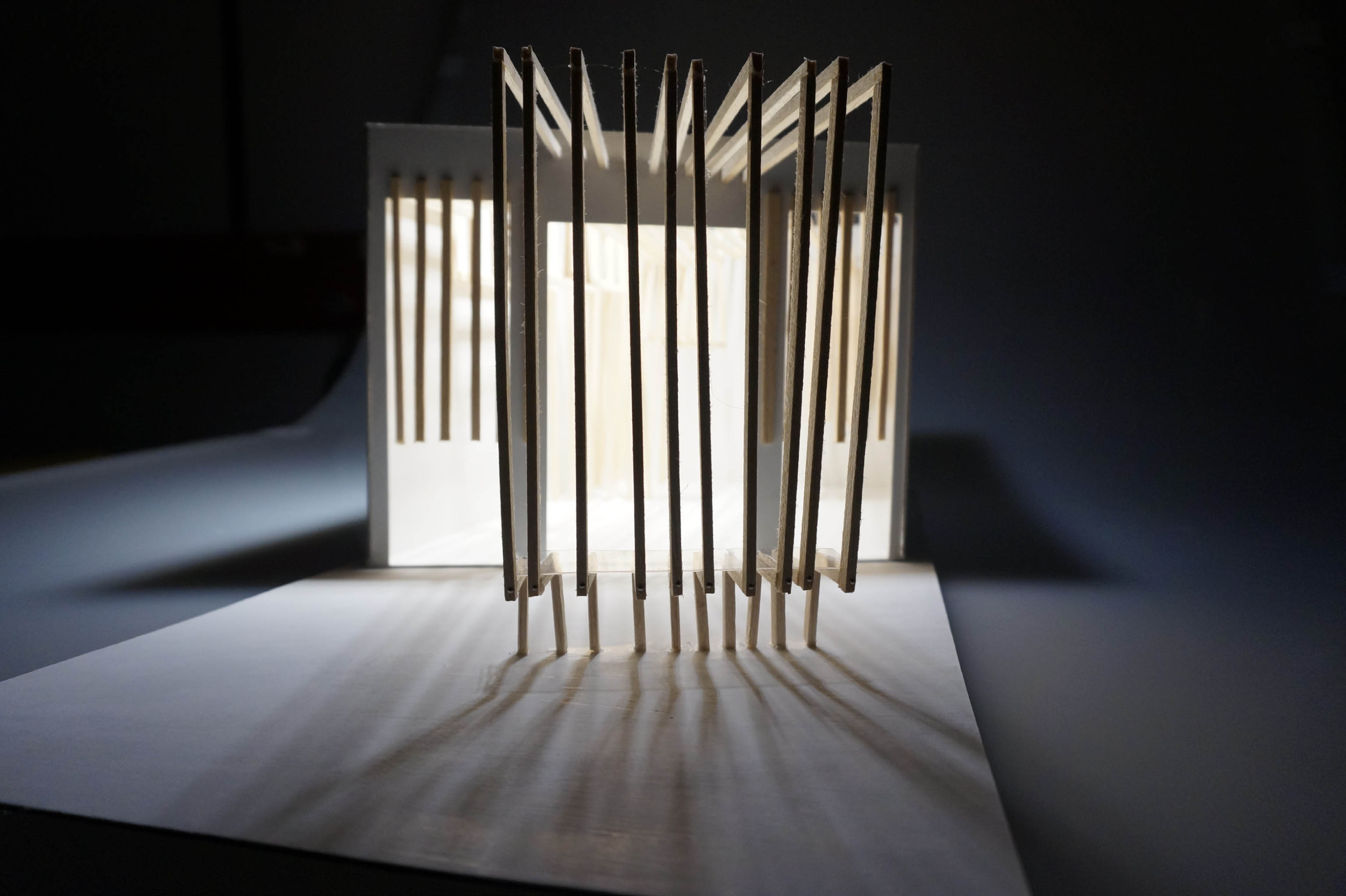
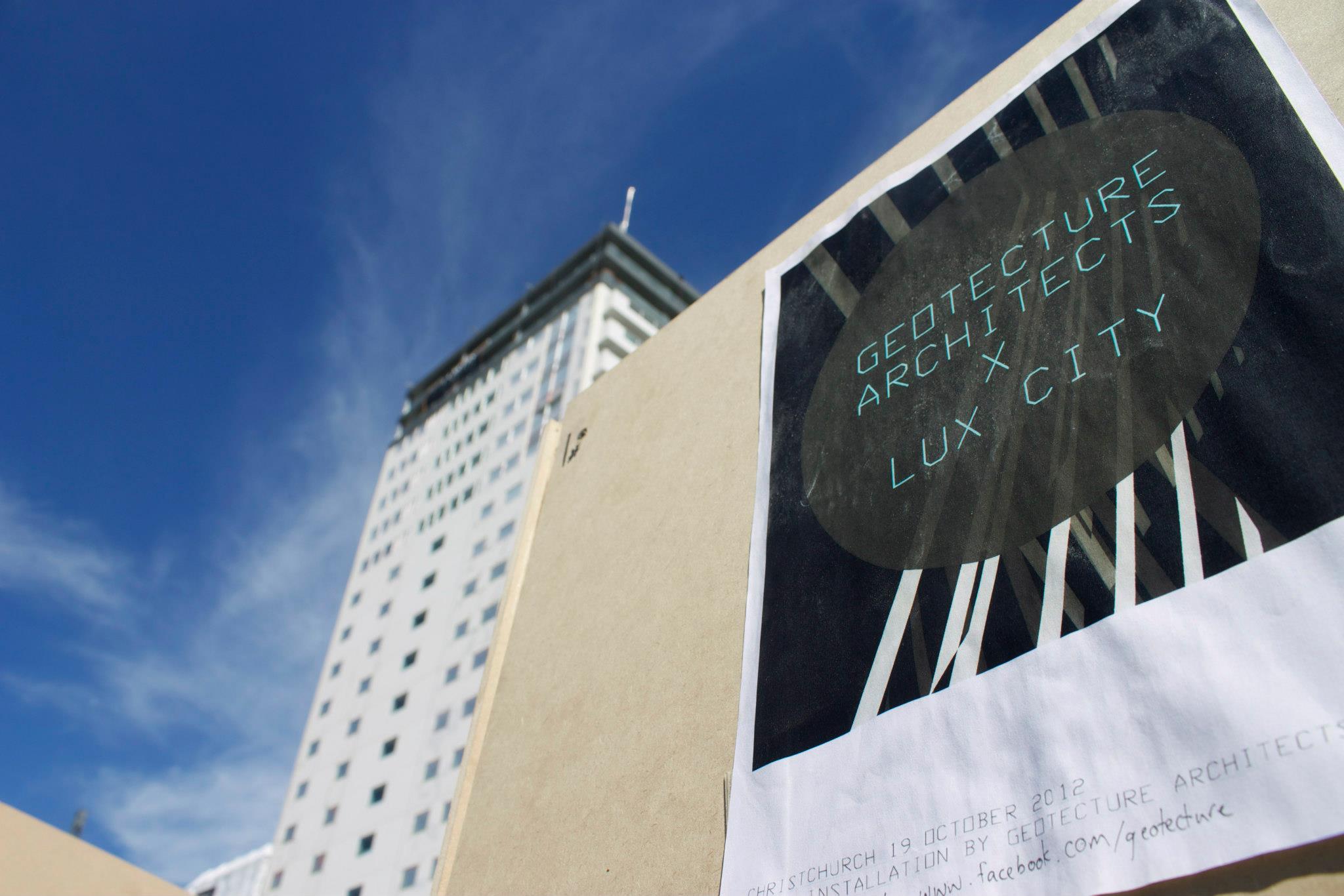
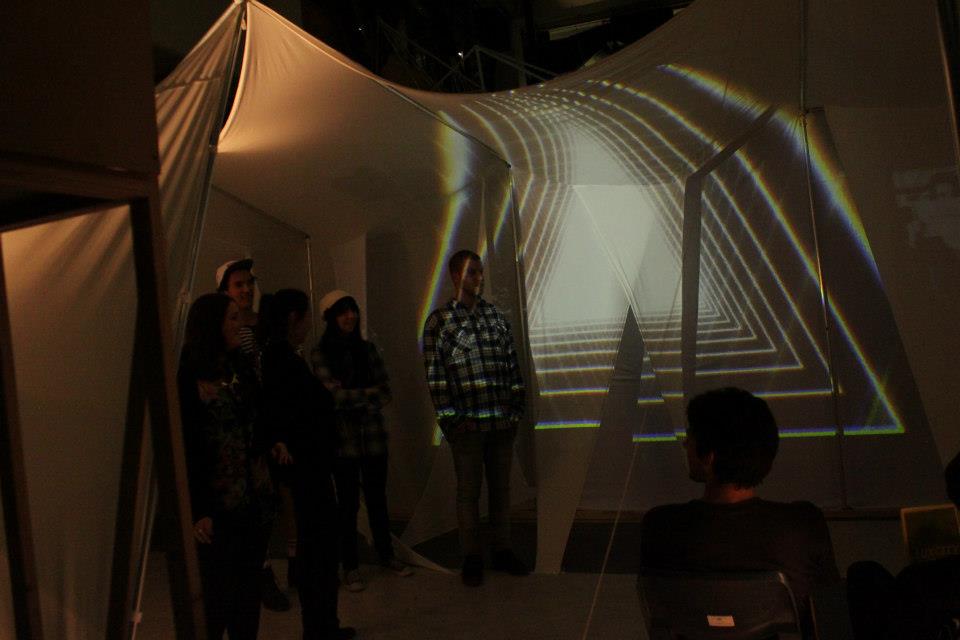
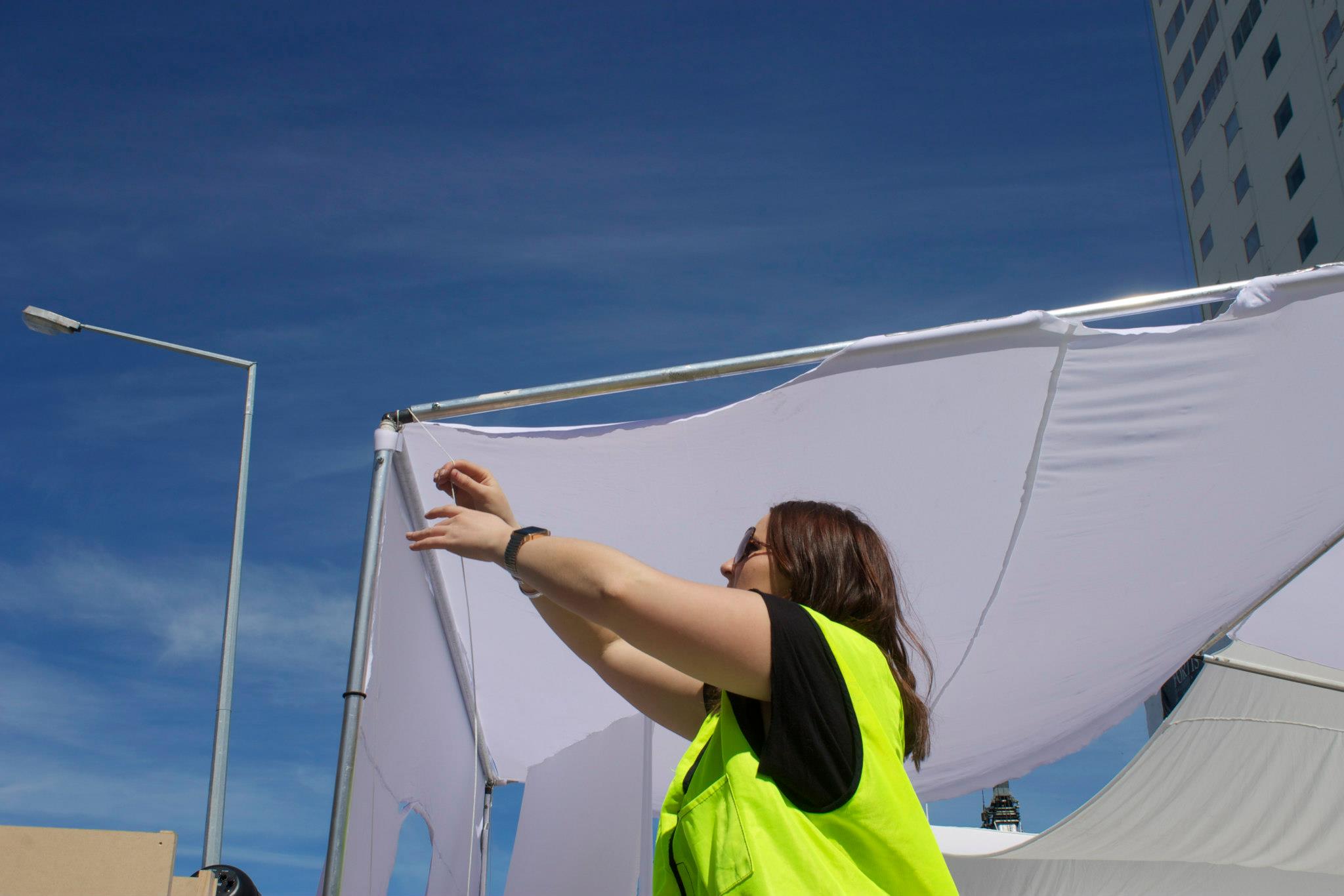
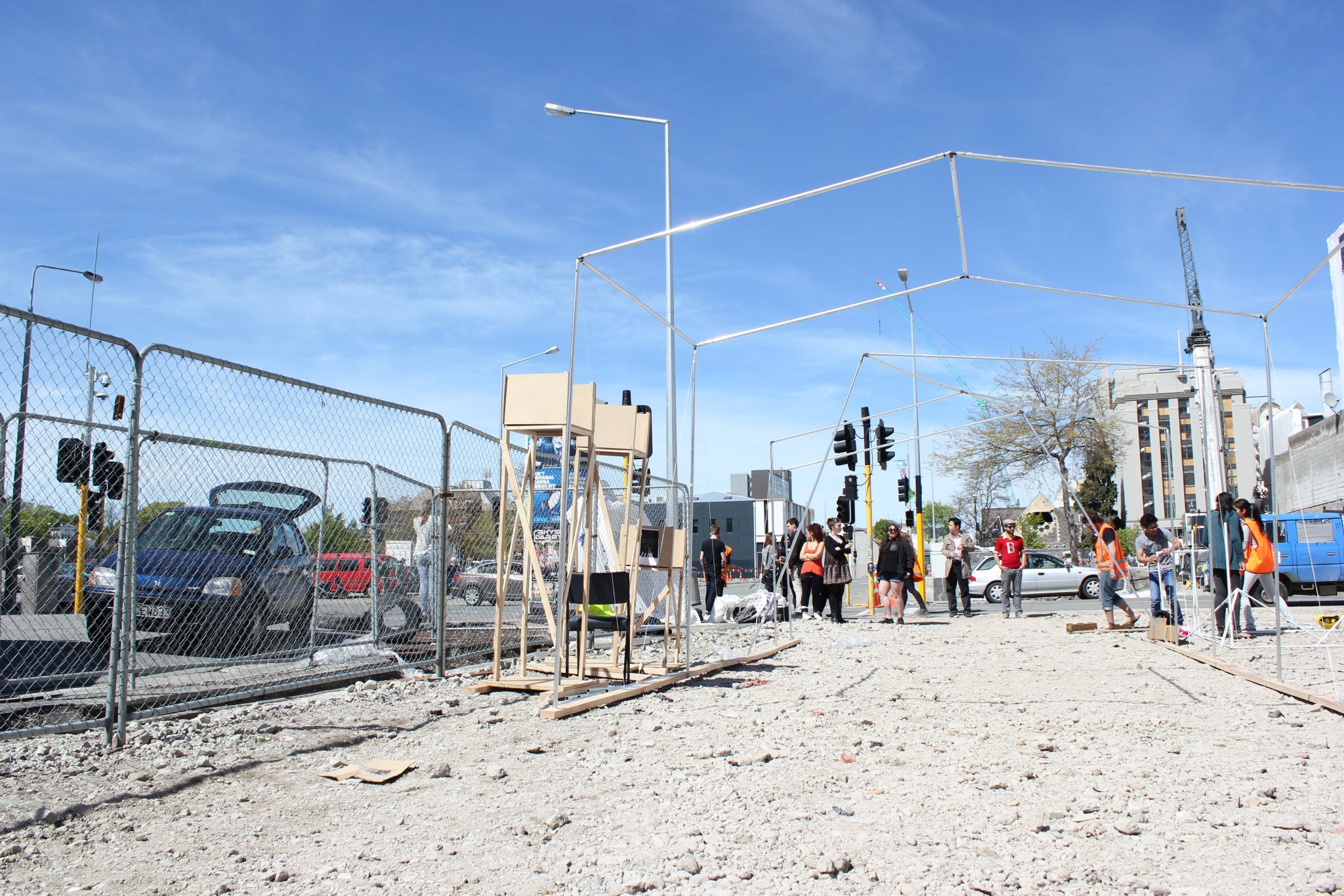
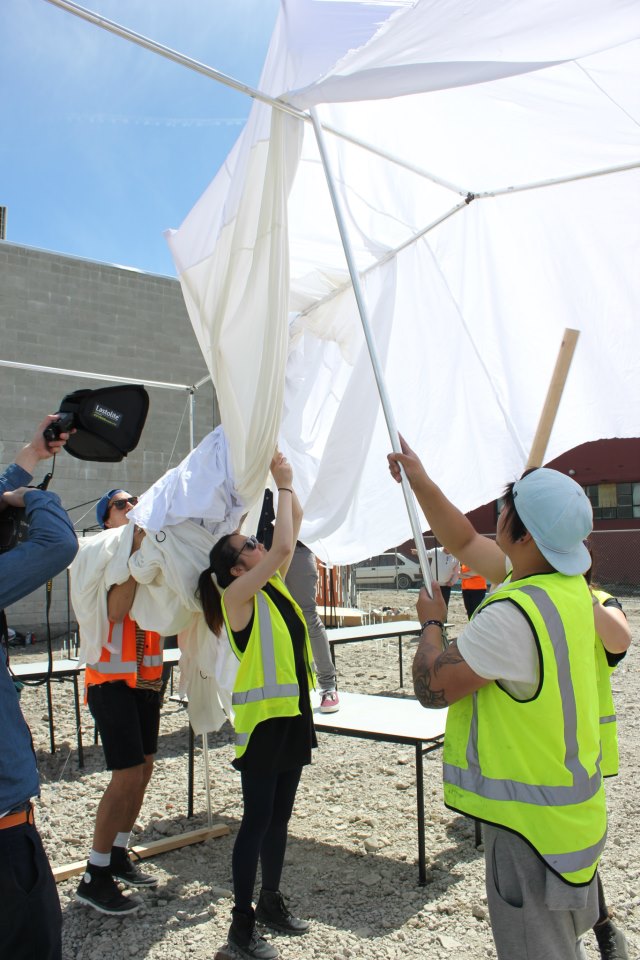
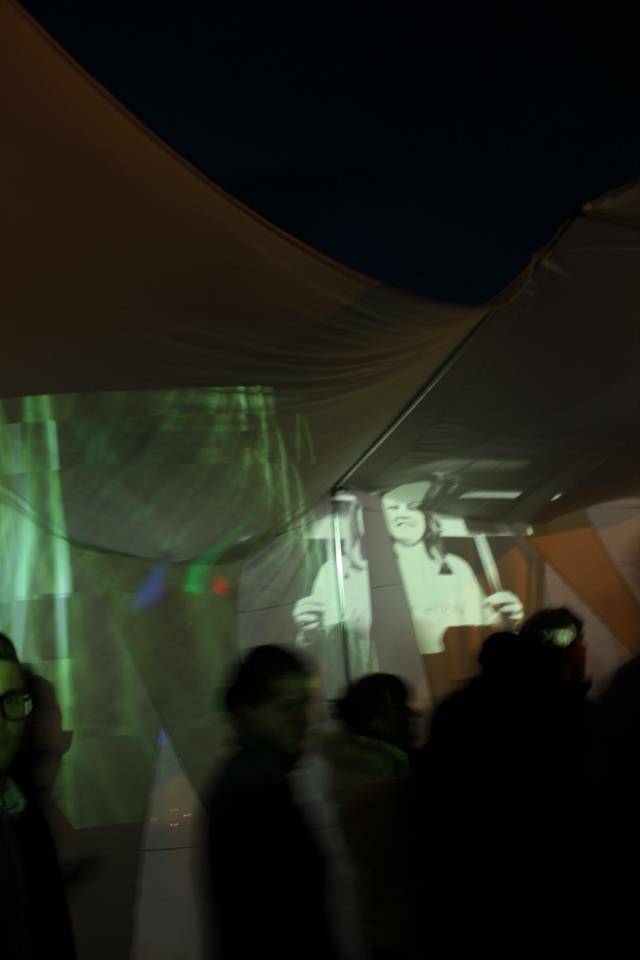
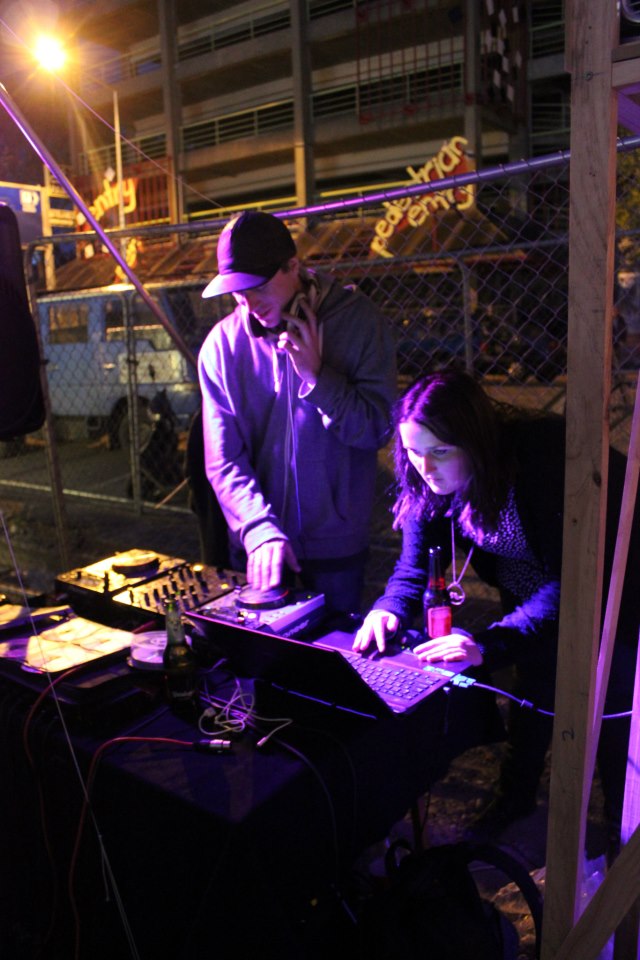


Lux City was a project in which groups of around five people designed, built, and then exhibited their creations at the Light Festival in Christchurch. The driving force around Geotecture was to create a journey both digital and physical through a space which represented the hardship in which Christchurch was going through. The use of lighting and digital media was produced through projectors which showed photographs of people with caring messages, and footage from Yoobee Film School about or for Christchurch. The construction of this pavilion took time and effort from Geotecture, and also financial help from wellington companies. This was a great event in which Architects got to provide some entertainment for the people in Christchurch as well as to be a participant in.